Armenia and Turkey Agree to Restore Historic Ani Bridge
Joint protocol signals cultural cooperation and progress in normalization efforts
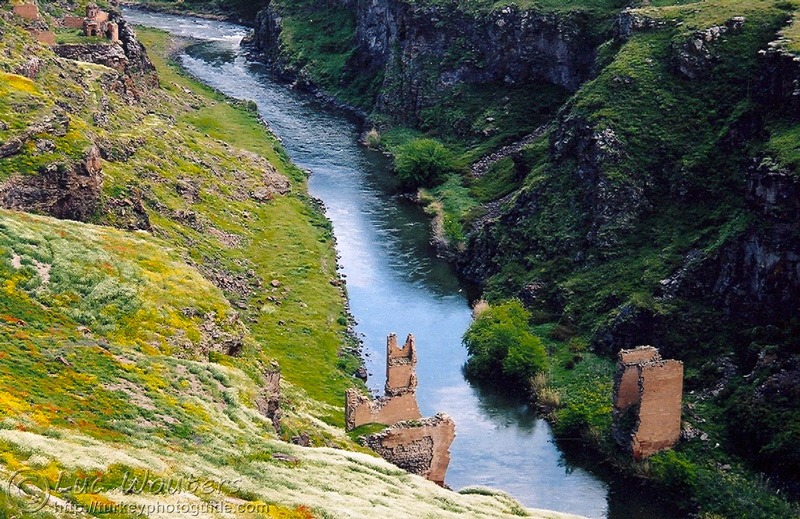
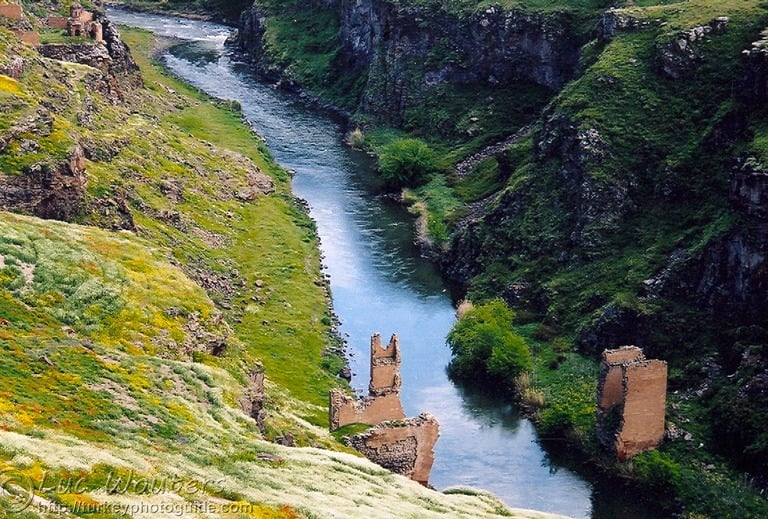
Armenia, Turkey agree to jointly restore the Ani Bridge.
Armenia and Turkey have signed a protocol to jointly restore the historic Ani Bridge, a landmark located on their shared border along the ancient Silk Road. In the second sentence, the agreement reflects a move toward bilateral cooperation (երկկողմ համագործակցություն) [erkkoghm hamagortsaktsutyun] between the two countries. The keyword joint restoration highlights the collaborative nature of the initiative. The project represents a symbolic and practical step in improving relations.
The Ani Bridge holds significant historical and cultural value, dating back centuries and serving as a connection point between civilizations. In the second sentence, it embodies cultural heritage (մշակութային ժառանգություն) [mshakutayin zharangutyun] shared by both nations. The keyword historic site emphasizes its importance beyond infrastructure. Restoring the bridge is expected to preserve this legacy for future generations.
The protocol was signed in Yerevan by representatives responsible for the normalization process between Armenia and Turkey. In the second sentence, the agreement formalizes diplomatic engagement (դիվանագիտական ներգրավվածություն) [divanagitakan nergraavvatsutyun] in ongoing negotiations. The keyword official agreement reflects the structured nature of the process. The signatories included Ruben Rubinyan for Armenia and Ambassador Serdar Kılıç for Turkey.
Ruben Rubinyan, Deputy Speaker of Armenia’s National Assembly and Special Representative for normalization, signed the protocol on behalf of Armenia. In the second sentence, his role highlights political dialogue (քաղաքական երկխոսություն) [kaghakakan erkhossutyun] between the two sides. The keyword diplomatic role underscores the importance of designated representatives. His involvement reflects Armenia’s commitment to advancing the normalization agenda.
On behalf of Turkey, Ambassador Serdar Kılıç, also serving as Special Representative, signed the protocol. In the second sentence, his participation demonstrates mutual representation (փոխադարձ ներկայացվածություն) [pokhadrats nerkayatsvatsutyun] in the process. The keyword negotiation channel reflects the established framework for communication. Both representatives have been central figures in facilitating dialogue between the countries.
The restoration of the Ani Bridge is expected to serve not only as a preservation project but also as a confidence-building measure. In the second sentence, such initiatives promote trust building (վստահության ձևավորում) [vstatutyun dzevavorum] between neighboring states. The keyword confidence measure highlights its diplomatic significance. Cultural cooperation often plays a key role in easing political tensions.
The Ani Bridge, located on the border, symbolizes both division and connection between Armenia and Turkey. In the second sentence, its restoration represents shared history (ընդհանուր պատմություն) [yndhanur patmutyun] and a willingness to reconnect. The keyword symbolic bridge reflects its dual meaning. Reviving the structure may also encourage tourism and cross-border interaction in the future.
This agreement comes within the broader context of ongoing normalization efforts between the two countries. In the second sentence, the process involves gradual steps toward regional stability (տարածաշրջանային կայունություն) [taratsashrjanayin kayunutyun]. The keyword normalization process captures the long-term diplomatic framework. Both sides have expressed interest in reopening borders and expanding cooperation.
Overall, the signing of the protocol marks a meaningful step forward in Armenia-Turkey relations. In the second sentence, it demonstrates a commitment to peaceful cooperation (խաղաղ համագործակցություն) [khaghagh hamagortsaktsutyun] through practical initiatives. The keyword diplomatic progress reflects the broader impact of the agreement. The restoration of the Ani Bridge may become a lasting symbol of renewed dialogue and partnership.
Key Armenian Vocabulary
երկկողմ համագործակցություն [erkkoghm hamagortsaktsutyun] bilateral cooperation
մշակութային ժառանգություն [mshakutayin zharangutyun] cultural heritage
դիվանագիտական ներգրավվածություն [divanagitakan nergraavvatsutyun] diplomatic engagement
քաղաքական երկխոսություն [kaghakakan erkhossutyun] political dialogue
փոխադարձ ներկայացվածություն [pokhadrats nerkayatsvatsutyun] mutual representation
վստահության ձևավորում [vstatutyun dzevavorum] trust building
ընդհանուր պատմություն [yndhanur patmutyun] shared history
տարածաշրջանային կայունություն [taratsashrjanayin kayunutyun] regional stability
խաղաղ համագործակցություն [khaghagh hamagortsaktsutyun] peaceful cooperation
համատեղ վերականգնում [hamategh verakangnum] joint restoration
պատմական վայր [patmakan vayr] historic site
պաշտոնական համաձայնագիր [pashtonakan hamadzaynagir] official agreement
դիվանագիտական դեր [divanagitakan der] diplomatic role
բանակցային ուղի [banakcayin ughi] negotiation channel
վստահության միջոց [vstatutyun mijoc] confidence measure
խորհրդանշական կամուրջ [khorhrdanshakan kamurj] symbolic bridge
կարգավորման գործընթաց [kargavorman gortsents] normalization process
դիվանագիտական առաջընթաց [divanagitakan arajyntats] diplomatic progress
Send us your suggestions to: pr@armenian-institute.com
Learn the official language of Armenia in 30 days thanks to the most complete Grammar, Vocabulary and Culture courses available. Start speaking Armenian today!
© Copyright 2026 Armenian Institute
Come visit Armenia!