Armenia Moves to Ban War Propaganda and Hate Speech in Media Legislation
New amendments aim to clarify content rules while raising concerns about oversight and censorship
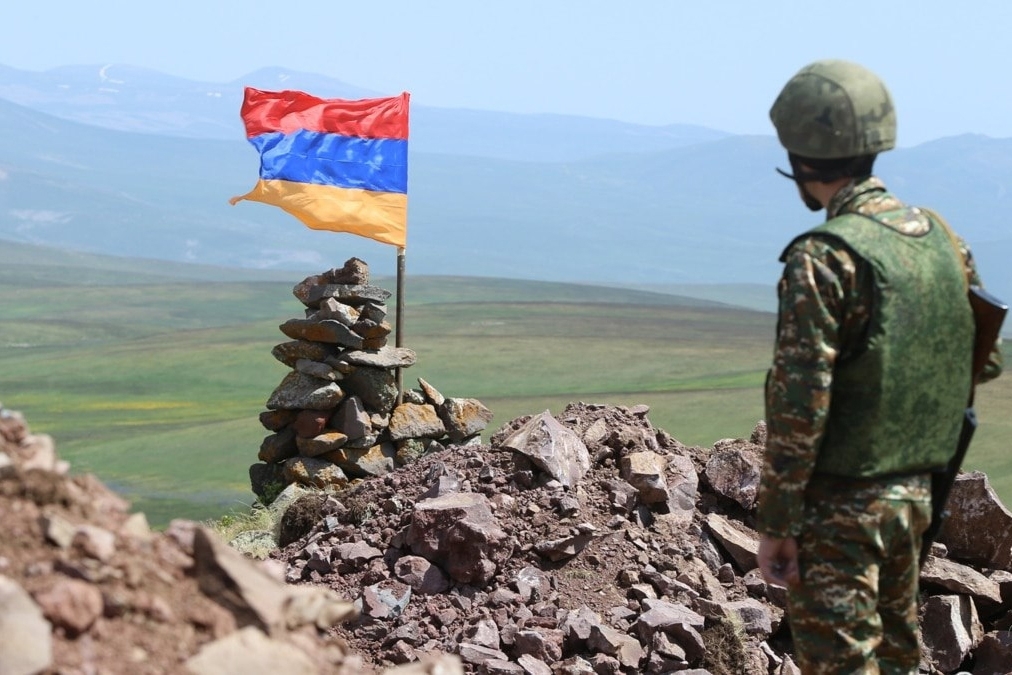
A peace treaty was finalised, but challenges remain.
Armenia’s National Assembly has approved amendments to the Law on Audiovisual Media that prohibit the dissemination of content promoting violent overthrow of constitutional order (սահմանադրական կարգի բռնի տապալում) [sahmanadrakan kargi brni tapalum] and encouraging war. The legislation, adopted in its second reading, introduces stricter rules targeting media content that supports or justifies such actions. These measures are part of a broader effort to regulate prohibited audiovisual content (արգելված տեսալսողական բովանդակություն) [argelvats tesalsoxakan bovandakutyun] within the country’s media landscape.
The bill also extends restrictions to materials that incite hatred across multiple categories, including national, racial, religious, and gender-based lines. In addition, it addresses discrimination based on age, disability, or other characteristics, strengthening legal tools against hate speech dissemination (ատելության խոսքի տարածում) [atelutyan khosqi taratsum]. The inclusion of these provisions reflects an attempt to align media regulation with broader protections against discrimination and social division.
Another component of the amendments is the prohibition of pornographic content in audiovisual programming, reinforcing standards related to content regulation frameworks (բովանդակության կարգավորման համակարգեր) [bovandakutyan kargavorum hamakarger]. The law builds upon existing regulations, which already restricted misuse of audiovisual material, but were considered insufficiently precise. Authorities argued that vague definitions had previously complicated both compliance by media providers and regulatory oversight mechanisms (կարգավորող վերահսկողության մեխանիզմներ) [kargavorogh verahskoghutyan mekhanizmer].
According to the government, clarifying the legal definitions of prohibited content is necessary to ensure consistent enforcement and legal certainty. The revised framework is intended to provide clearer guidelines for broadcasters while enabling authorities to respond more effectively to violations. This approach is linked to strengthening legal clarity in media law (մեդիայի օրենքների իրավական հստակություն) [mediayi orenqneri iravakan hstakutyun], which is considered essential for both compliance and enforcement.
However, the legislation has drawn criticism from opposition lawmakers, who argue that the new rules may enable state-level content censorship (պետական մակարդակի գրաքննություն) [petakan makardaki graqnnutyun]. They expressed concern that the provisions regulating foreign audiovisual content could be interpreted broadly, potentially leading to restrictions on diverse viewpoints. In particular, they highlighted risks associated with defining interference in domestic political affairs, a concept that may vary depending on interpretation.
Opposition representatives also raised questions about the potential impact on freedom of expression, especially in relation to international media broadcasts. They warned that the law could allow for excessive control over content distribution, particularly in cases involving cross-border programming. These concerns relate to the broader issue of balancing regulation with freedom of media expression (մեդիայի արտահայտման ազատություն) [mediayi artahaytman azatutyun].
Despite these objections, the ruling party dismissed the criticism, maintaining that the amendments are necessary to protect public order and ensure responsible media practices. The adoption of the bill reflects the government’s position that clearer legal standards are required to address emerging challenges in the information environment, particularly in the context of rapidly evolving digital and broadcast media systems.
Key Armenian Vocabulary
սահմանադրական կարգի բռնի տապալում [sahmanadrakan kargi brni tapalum] violent overthrow of constitutional order
արգելված տեսալսողական բովանդակություն [argelvats tesalsoxakan bovandakutyun] prohibited audiovisual content
ատելության խոսքի տարածում [atelutyan khosqi taratsum] hate speech dissemination
բովանդակության կարգավորման համակարգեր [bovandakutyan kargavorum hamakarger] content regulation frameworks
կարգավորող վերահսկողության մեխանիզմներ [kargavorogh verahskoghutyan mekhanizmer] regulatory oversight mechanisms
մեդիայի օրենքների իրավական հստակություն [mediayi orenqneri iravakan hstakutyun] legal clarity in media law
պետական մակարդակի գրաքննություն [petakan makardaki graqnnutyun] state-level content censorship
մեդիայի արտահայտման ազատություն [mediayi artahaytman azatutyun] freedom of media expression
Send us your suggestions to: pr@armenian-institute.com
Learn the official language of Armenia in 30 days thanks to the most complete Grammar, Vocabulary and Culture courses available. Start speaking Armenian today!
© Copyright 2026 Armenian Institute
Come visit Armenia!