Armenian Student Released After Church Confrontation Case
Legal decision follows public protests and controversy over incident involving the prime minister
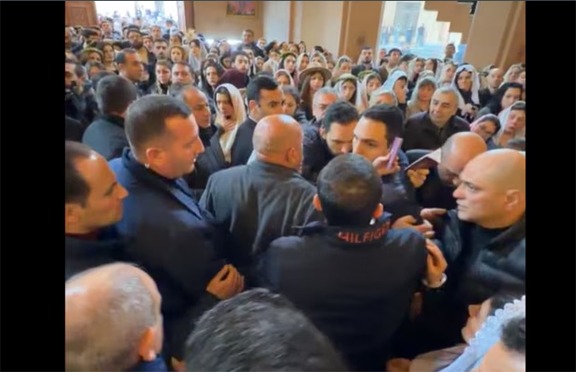
A high school student who confronted Prime Minister Nikol Pashinyan in a church in Yerevan at the weekend.
An Armenian high school student detained for more than two weeks after a confrontation with the country’s prime minister during a church service was released from custody on Tuesday, according to official developments. The case centers on an incident inside a crowded place of worship in Yerevan, where tensions escalated unexpectedly. The authorities confirmed that the student’s release came while the case remains under judicial review, indicating a pending trial (ընթացիկ դատավարություն) [yntatsik datavarutyun] and raising broader concerns about custody decisions (կալանքի որոշումներ) [kalanki voroshumner].
The individual, 18-year-old Davit Minasian, had been returned to prison shortly before his release after receiving medical care in a Yerevan hospital. He had reportedly sustained a head injury during the incident, which his legal team described as a concussion diagnosis (ուղեղի ցնցում) [ugheghi tsntsum]. His lawyers opposed the transfer back to detention, stating that his recovery was incomplete and that continued incarceration could worsen his condition. The sequence of events highlighted concerns over medical supervision in custody (կալանքի ընթացքում բժշկական հսկողություն) [kalanki yndratsqum bzhshkakan hskoghutyun].
The decision to release Minasian was made by the same prosecutor who had earlier declined requests for his release, including appeals from civic groups and members of the public. This reversal occurred shortly after a group of women initiated a protest outside the Prosecutor-General’s office in Yerevan. Their daily demonstrations emphasized what they described as unjust treatment, drawing attention to public pressure tactics (հասարակական ճնշման մեխանիզմներ) [hasarakakan chnman mekhanizmer] and the influence of civil activism (քաղաքացիական ակտիվիզմ) [qaghaqatsiakan aktivizm] on legal processes.
“By taking Davit back [to prison,] they simply want to intimidate and silence rebellious citizens,” one of the women told RFE/RL’s Armenian Service earlier on Tuesday.
The confrontation itself took place during a Palm Sunday Mass at St. Anne’s Church in Yerevan, attended by a large number of worshippers. The prime minister’s arrival, accompanied by security personnel, led to physical movement within the crowd as bodyguards attempted to clear a path. Minasian, visibly frustrated, objected to being pushed and insisted on remaining where he stood. The situation escalated rapidly, illustrating issues related to crowd control measures (բազմության վերահսկման միջոցներ) [bazmutyan verahskman mijotsner] and security protocol enforcement (անվտանգության կանոնների կիրառում) [anvtangutyan kanonneri kirarum].
“Don’t look at me like that,” he then told Pashinian before stretching a hand towards his shoulder.
According to reports, one of the bodyguards struck Minasian, causing him to fall. He was subsequently arrested and formally charged with hooliganism as well as obstructing the prime minister’s activities. These charges fall under Armenian criminal law provisions that address public disorder offenses (հասարակական կարգի խախտումներ) [hasarakakan kargi khakhtumner] and obstruction of official duties (պաշտոնական գործունեության խոչընդոտում) [pashtonakan gorcuneutyan khochyndotum]. The arrest took place shortly after the prime minister exited the church amid audible discontent from other attendees.
Two additional individuals, including Minasian’s twin brother and another citizen, were also detained in connection with the incident. Although they faced similar charges, both were released within two days. Their release contrasted with Minasian’s prolonged detention, drawing attention to unequal detention durations (անհավասար կալանքի տևողություն) [anhavasar kalanki tevoghutyun] and questions about case-specific prosecutorial decisions (գործի առանձնահատուկ դատախազական որոշումներ) [gorci arandznahatuk datakhazakan voroshumner].
Government representatives and political allies of the prime minister have defended the arrest, asserting that Minasian initiated physical contact and thus committed an offense. In contrast, opposition figures argue that the incident stemmed from what they characterize as provocative behavior by the prime minister during public appearances. They further claim that the arrest reflects a broader strategy aimed at political intimidation (քաղաքական վախեցում) [qaghaqakan vakhetsum] ahead of upcoming elections, highlighting concerns over electoral climate tensions (ընտրական միջավայրի լարվածություն) [yntrakan mijavayri laratutyun].
In the weeks preceding the incident, the prime minister had been traveling across the country, engaging directly with citizens in what resembled campaign-style visits. During several of these encounters, individuals openly criticized government policies and expressed dissatisfaction with official performance. Some of these exchanges reportedly caused visible frustration, underscoring ongoing public dissent expressions (հասարակական դժգոհության արտահայտում) [hasarakakan dzhgohutyan artaheghtum] and the role of direct political engagement (ուղիղ քաղաքական շփում) [ughigh qaghaqakan shpum] in shaping political discourse.
Such incidents are not uncommon in politically active societies where leaders maintain frequent contact with citizens. According to international governance studies, direct interactions between elected officials and the public can increase transparency but also heighten the risk of confrontation, particularly in polarized environments. Legal experts note that responses to such incidents often become benchmarks for evaluating adherence to rule of law standards (օրենքի գերակայության չափանիշներ) [orenqi gerakayutyan chapnishner] and the protection of civil liberties (քաղաքացիական ազատություններ) [qaghaqatsiakan azatutyunner].
Key Armenian Vocabulary
ընթացիկ դատավարություն [yntatsik datavarutyun] pending trial
կալանքի որոշումներ [kalanki voroshumner] custody decisions
ուղեղի ցնցում [ugheghi tsntsum] concussion diagnosis
կալանքի ընթացքում բժշկական հսկողություն [kalanki yndratsqum bzhshkakan hskoghutyun] medical supervision in custody
հասարակական ճնշման մեխանիզմներ [hasarakakan chnman mekhanizmer] public pressure tactics
քաղաքացիական ակտիվիզմ [qaghaqatsiakan aktivizm] civil activism
բազմության վերահսկման միջոցներ [bazmutyan verahskman mijotsner] crowd control measures
անվտանգության կանոնների կիրառում [anvtangutyan kanonneri kirarum] security protocol enforcement
հասարակական կարգի խախտումներ [hasarakakan kargi khakhtumner] public disorder offenses
պաշտոնական գործունեության խոչընդոտում [pashtonakan gorcuneutyan khochyndotum] obstruction of official duties
անհավասար կալանքի տևողություն [anhavasar kalanki tevoghutyun] unequal detention durations
գործի առանձնահատուկ դատախազական որոշումներ [gorci arandznahatuk datakhazakan voroshumner] case-specific prosecutorial decisions
քաղաքական վախեցում [qaghaqakan vakhetsum] political intimidation
ընտրական միջավայրի լարվածություն [yntrakan mijavayri laratutyun] electoral climate tensions
հասարակական դժգոհության արտահայտում [hasarakakan dzhgohutyan artaheghtum] public dissent expressions
ուղիղ քաղաքական շփում [ughigh qaghaqakan shpum] direct political engagement
օրենքի գերակայության չափանիշներ [orenqi gerakayutyan chapnishner] rule of law standards
քաղաքացիական ազատություններ [qaghaqatsiakan azatutyunner] civil liberties
Send us your suggestions to: pr@armenian-institute.com


Learn the official language of Armenia in 30 days thanks to the most complete Grammar, Vocabulary and Culture courses available. Start speaking Armenian today!
© Copyright 2026 Armenian Institute
Come visit Armenia!