Armenians Recruited into Russia’s War as Armenia Deepens Westward Shift
Rising recruitment numbers and geopolitical realignment highlight complex pressures on Armenia
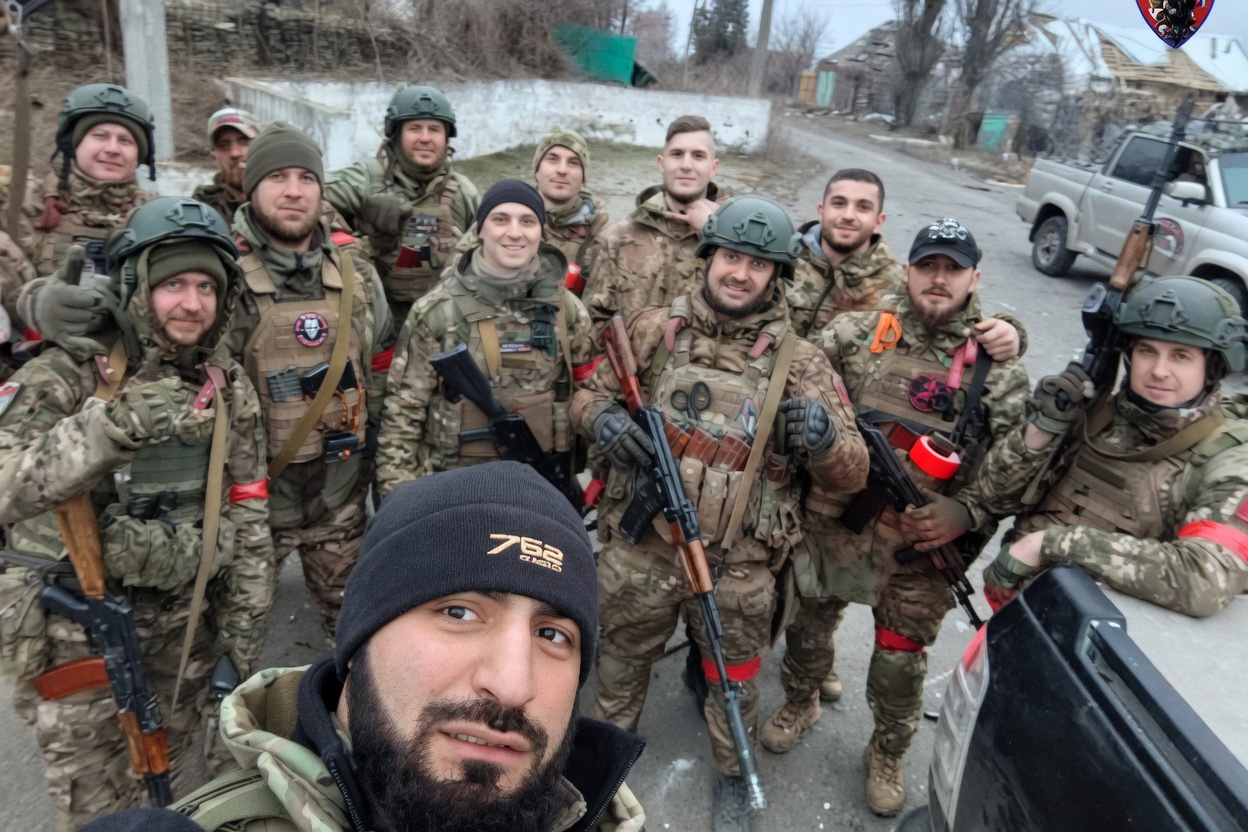
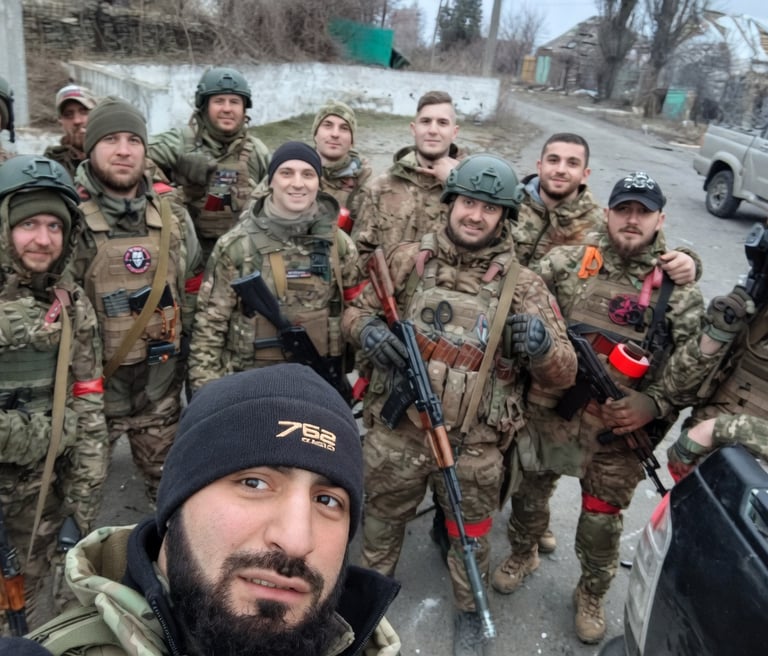
Armenian mercenaries in the Russian battalion “Arbat”.
Russia has recruited a significant number of Armenian citizens to fight in its war in Ukraine, with at least 994 individuals signing military contracts (զինվորական պայմանագրեր) [zinvorakan paymanagrer] since the full-scale invasion began. Reports also indicate that at least 204 Armenians are dead or missing, underscoring the human cost of this trend and reflecting ongoing foreign recruitment (օտար հավաքագրում) [otar havagagrum] efforts. These developments come at a time when Armenia is simultaneously pursuing closer ties with Western institutions, creating a complex and often contradictory policy environment.
The data was published by the Ukrainian “I Want to Live” project, which tracks foreign participation in Russian forces. The figures highlight a growing casualty toll (զոհերի թիվ) [zoheri tiv] among Armenian nationals, pointing to rising war losses (պատերազմի կորուստներ) [paterazmi korustner] within the community. The number of deaths and missing individuals is approaching the losses Armenia experienced during the 2023 conflict in Nagorno-Karabakh, emphasizing the seriousness of the situation.
Despite these developments, Armenia has been moving away from Russia politically and diplomatically. This shift is reflected in its evolving foreign policy (արտաքին քաղաքականություն) [artaqin kaghakakanutyun] decisions, including suspending participation in the CSTO and pursuing European frameworks that signal a broader geopolitical shift (աշխարհաքաղաքական փոփոխություն) [ashkharhaghakakan popokhutyun]. This divergence creates tension between Armenia’s internal reforms and the external pressures it faces.
The timing of the recruitment data coincided with a meeting between Ukrainian President Volodymyr Zelenskyy and Armenian Prime Minister Nikol Pashinyan in Yerevan. The event highlighted Armenia’s increasing European alignment (եվրոպական կողմնորոշում) [evropakan koghmnoroshum] and served as a visible diplomatic signal (դիվանագիտական ազդանշան) [divanagitakan azdanshan] of its strategic intentions. These developments demonstrate Armenia’s expanding engagement with European political structures and partnerships.
Recruitment trends show a sharp increase over recent years, with 83 Armenians signing contracts in 2023 compared to 575 in 2025. This rapid rise reflects an accelerating recruitment rate (հավաքագրման տեմպ) [havagagrman temp] and a broader recruitment surge (հավաքագրման աճ) [havagagrman ach]. The scale of participation is particularly notable given Armenia’s population of around 3 million, making the trend proportionally significant.
The broader pattern includes foreign fighters from many countries, but Armenia’s figures stand out in relative terms. This reflects the expanding role of foreign fighters (օտարերկրյա մարտիկներ) [otarerkrya martikner] and the wider global involvement (գլոբալ ներգրավվածություն) [global nergraavvatsutyun] in the conflict. Reports suggest that Russia is actively targeting foreign recruits to sustain its military operations as the war continues.
The situation is further complicated by Armenia’s recent experience in the 2023 Nagorno-Karabakh conflict. The lack of Russian intervention at that time contributed to a shift in security perception (անվտանգության ընկալում) [anvtangutyan ynkalum], exposing what many see as a security gap (անվտանգության բաց) [anvtangutyan bac] in traditional alliances. This has influenced Armenia’s efforts to diversify its international partnerships and reassess its defense strategies.
“For Moscow, this is not only a means to replenish losses in the Russian Armed Forces, but also a factor of destabilization and pressure on Armenia, which seeks European integration,” the I Want to Live project stated. This introduces the concept of political pressure (քաղաքական ճնշում) [kaghakakan chnshum] and highlights the broader role of external pressure (արտաքին ճնշում) [artaqin chnshum] in shaping Armenia’s geopolitical position. The recruitment of Armenian citizens may therefore serve strategic objectives beyond immediate battlefield needs.
At the same time, ethnic Armenians are also fighting on the Ukrainian side, illustrating a divided form of participation. This reflects a complex sense of dual allegiance (երկակի պատկանելություն) [erkaki patkanelutyun] and the presence of divided roles (բաժանված դերեր) [bajanvats derer] among individuals connected to both nations. Some fighters have joined Ukrainian units voluntarily, often motivated by personal beliefs or political convictions.
Personal accounts from these fighters reveal strong emotional ties to both Armenia and Ukraine. Their experiences highlight individual motivation (անհատական մոտիվացիա) [anhatakan motivacia] and underscore the importance of personal choice (անձնական ընտրություն) [andznakan yntrutyun] in their decisions. These narratives provide a more human perspective on what is often presented as a purely geopolitical issue.
Meanwhile, Russia continues to maintain a military presence in Armenia, including its base in Gyumri. This ongoing military presence (ռազմական ներկայություն) [razmakan nerkautyun] reinforces a lasting strategic foothold (ռազմավարական հենակետ) [razmavarakan henaket] in the region. Reports suggest that efforts are being made to strengthen this position even as Armenia gradually moves closer to European institutions.
The recruitment of Armenian citizens also has long-term consequences for society. It may contribute to broader social impact (սոցիալական ազդեցություն) [sotsialakan azdecutyun] while increasing demographic strain (ժողովրդագրական ճնշում) [zhoghovrdagrakan chnshum] through the loss of working-age individuals. For a small population, such losses can significantly affect economic stability and social cohesion over time.
Overall, the situation illustrates a complex intersection of war, diplomacy, and identity. Armenia’s evolving strategic direction (ռազմավարական ուղղություն) [razmavarakan ughutyun] is shaped by both internal reforms and growing geopolitical tension (աշխարհաքաղաքական լարում) [ashkharhaghakakan larmum]. The country’s future trajectory will likely depend on how effectively it balances competing international pressures with its domestic priorities.
Key Armenian Vocabulary
զինվորական պայմանագրեր [zinvorakan paymanagrer] military contracts
օտար հավաքագրում [otar havagagrum] foreign recruitment
զոհերի թիվ [zoheri tiv] casualty toll
պատերազմի կորուստներ [paterazmi korustner] war losses
արտաքին քաղաքականություն [artaqin kaghakakanutyun] foreign policy
աշխարհաքաղաքական փոփոխություն [ashkharhaghakakan popokhutyun] geopolitical shift
եվրոպական կողմնորոշում [evropakan koghmnoroshum] European alignment
դիվանագիտական ազդանշան [divanagitakan azdanshan] diplomatic signal
հավաքագրման տեմպ [havagagrman temp] recruitment rate
հավաքագրման աճ [havagagrman ach] recruitment surge
օտարերկրյա մարտիկներ [otarerkrya martikner] foreign fighters
գլոբալ ներգրավվածություն [global nergraavvatsutyun] global involvement
անվտանգության ընկալում [anvtangutyan ynkalum] security perception
անվտանգության բաց [anvtangutyan bac] security gap
քաղաքական ճնշում [kaghakakan chnshum] political pressure
արտաքին ճնշում [artaqin chnshum] external pressure
երկակի պատկանելություն [erkaki patkanelutyun] dual allegiance
բաժանված դերեր [bajanvats derer] divided roles
անհատական մոտիվացիա [anhatakan motivacia] individual motivation
անձնական ընտրություն [andznakan yntrutyun] personal choice
ռազմական ներկայություն [razmakan nerkautyun] military presence
ռազմավարական հենակետ [razmavarakan henaket] strategic foothold
սոցիալական ազդեցություն [sotsialakan azdecutyun] social impact
ժողովրդագրական ճնշում [zhoghovrdagrakan chnshum] demographic strain
ռազմավարական ուղղություն [razmavarakan ughutyun] strategic direction
աշխարհաքաղաքական լարում [ashkharhaghakakan larmum] geopolitical tension
Send us your suggestions to: pr@armenian-institute.com
Learn the official language of Armenia in 30 days thanks to the most complete Grammar, Vocabulary and Culture courses available. Start speaking Armenian today!
© Copyright 2026 Armenian Institute
Come visit Armenia!