Debate Intensifies Over U.S. Terminology on Armenian Genocide Recognition
Questions about policy language and links historical acknowledgment to geopolitical credibility
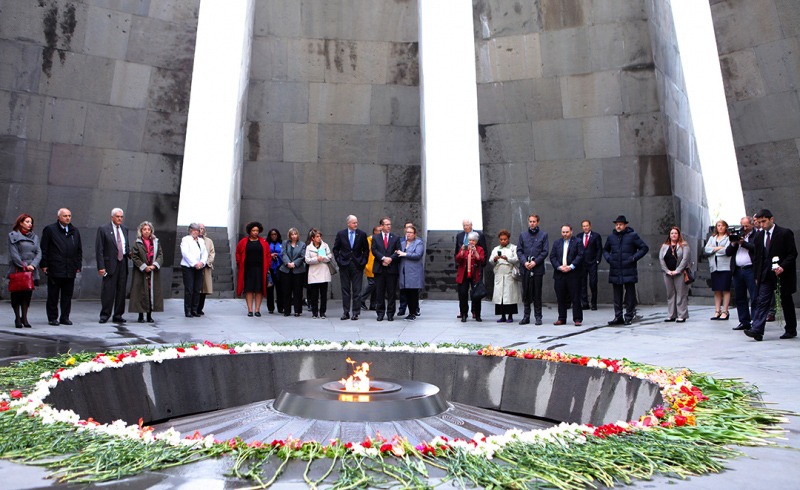
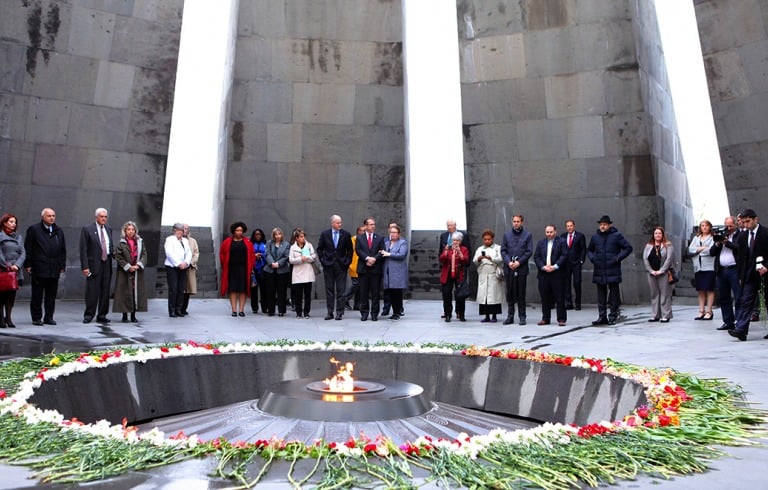
The Armenian Genocide Museum.
A discussion published ahead of April 24, Armenian Genocide Remembrance Day, raises concerns about the current U.S. administration’s use of language when referring to the events of 1915, highlighting terminology shift in policy statements (քաղաքական հայտարարությունների տերմինաբանական փոփոխություն) [kaghakakan haytararutyunneri terminabanakan popokhutyun] and recognition consistency issues (ճանաչման հետևողականության խնդիրներ) [chanachman hetevoghakanutyan khndirner]. The analysis follows earlier official recognition by the U.S. Congress in 2019 and the president in 2021.
According to the article, recent statements have avoided the term “genocide,” instead using alternative expressions such as “great calamity” and “historical tragedy.” This linguistic approach is presented as a form of rhetorical reinterpretation (հռետորական վերաիմաստավորում) [hretorakan veraimastavorum] that alters the framing of historical events without formally reversing prior recognition.
The author states that this shift has broader implications beyond symbolic language, suggesting it affects international credibility perception (միջազգային վստահելիության ընկալում) [mijazgayin vstahliutyan ynkalum]. He argues that discrepancies between official recognition and current rhetoric weaken the consistency of policy positions on human rights and historical accountability.
The article also links the issue to ongoing geopolitical challenges, noting that the United States is engaged in complex international conflicts. It references criticism of human rights advocacy standards (մարդու իրավունքների պաշտպանման չափանիշներ) [mardu iravunkneri pashtpanman chapanyshner], arguing that calls for adherence to international norms may appear inconsistent if historical cases are treated differently in official discourse.
A further dimension involves the South Caucasus region, where U.S. diplomatic engagement has been framed as part of broader foreign policy objectives. The article suggests that perceived silence or ambiguity contributed to a regional power vacuum (տարածաշրջանային ուժային վակուում) [taratsashrjanayin uzayin vakuum], which, according to the author, affected developments in Nagorno-Karabakh, including large-scale displacement in 2023.
The commentary includes the statement: “Recognition is the currency of credibility. If the [US] president [Trump] expects the international community to trust the American narrative regarding justice and stability in a postwar Middle East, then he cannot simultaneously cave to foreign pressure regarding the crimes of the past.” This reflects the argument that policy credibility linkage (քաղաքական վստահելիության կապ) [kaghakakan vstahliutyan kap] is tied to consistent acknowledgment of historical events.
The article positions recognition not only as a historical matter but also as a strategic element influencing diplomatic relationships. It frames the issue within foreign policy signaling (արտաքին քաղաքական ազդանշաններ) [artaqin kaghakakan azdanshanner], suggesting that terminology choices communicate broader priorities and alignments.
Overall, the discussion underscores tensions between established recognition and current political language, emphasizing the role of historical interpretation in shaping international relations and policy credibility.
Key Armenian Vocabulary
քաղաքական հայտարարությունների տերմինաբանական փոփոխություն [kaghakakan haytararutyunneri terminabanakan popokhutyun] terminology shift in policy statements
ճանաչման հետևողականության խնդիրներ [chanachman hetevoghakanutyan khndirner] recognition consistency issues
հռետորական վերաիմաստավորում [hretorakan veraimastavorum] rhetorical reinterpretation
միջազգային վստահելիության ընկալում [mijazgayin vstahliutyan ynkalum] international credibility perception
մարդու իրավունքների պաշտպանման չափանիշներ [mardu iravunkneri pashtpanman chapanyshner] human rights advocacy standards
տարածաշրջանային ուժային վակուում [taratsashrjanayin uzayin vakuum] regional power vacuum
քաղաքական վստահելիության կապ [kaghakakan vstahliutyan kap] policy credibility linkage
արտաքին քաղաքական ազդանշաններ [artaqin kaghakakan azdanshanner] foreign policy signaling
Send us your suggestions to: pr@armenian-institute.com
Learn the official language of Armenia in 30 days thanks to the most complete Grammar, Vocabulary and Culture courses available. Start speaking Armenian today!
© Copyright 2026 Armenian Institute
Come visit Armenia!