Diaspora as a Force Multiplier of Armenian Sovereignty
The Armenian global network as a strategic partner shaping national resilience and influence
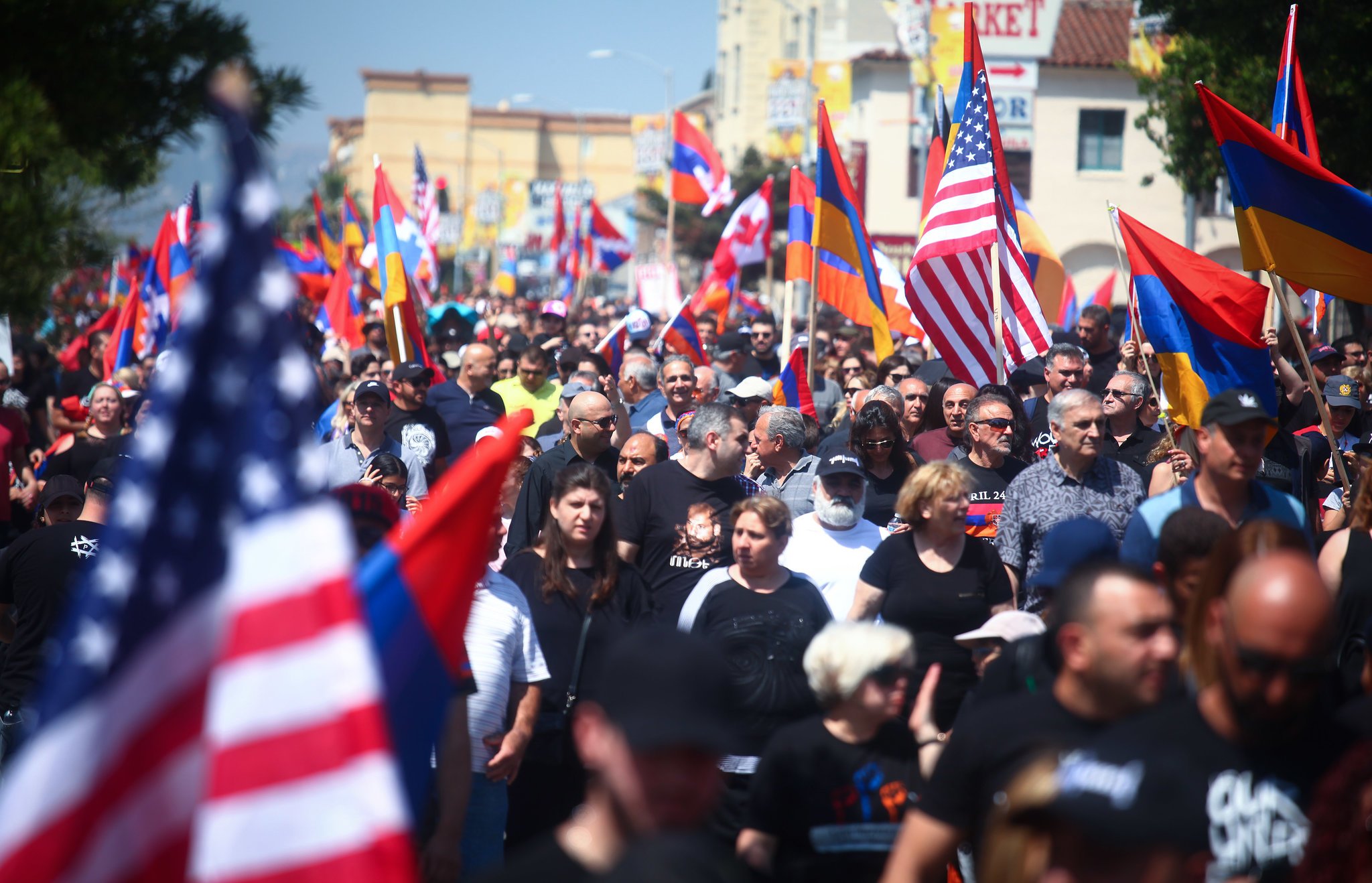

The eternal duty of the Armenian Diaspora.
To survive and thrive, the global Armenian nation must act as the sovereign master of its own destiny, combining a strong homeland with a globally active diaspora that functions as a geopolitical force. In this framework, the concept of sovereign power (ինքնիշխանություն) [inknishkhanutyun] becomes central, as it reflects the ability of a nation to act independently in shaping its future. The Armenian diaspora is described not simply as a community abroad but as a global network (համաշխարհային ցանց) [hamashkharhayin tsants] capable of advancing Armenian interests across continents. This perspective emphasizes that the nation’s reach extends far beyond its territorial borders, reinforcing a shared responsibility between homeland and diaspora.
The strategic depth of the Armenian diaspora is presented as a force multiplier that enhances national resilience and expands opportunities for influence. In practical terms, this means that strategic depth (ռազմավարական խորություն) [razmavarakan khorutyun] enables Armenia to operate in a broader geopolitical space, while diaspora influence (սփյուռքի ազդեցություն) [spyurqi azdecutyun] allows it to shape outcomes in foreign political environments. The Armenian National Committee of America (ANCA) is highlighted as a key example of this structure, functioning as an organized network that complements official diplomacy. Its efforts demonstrate how coordinated advocacy can extend Armenia’s voice in global affairs beyond what state institutions alone can achieve.
Before discussing policies and strategies, the article raises a fundamental question about the nation’s future: whether Armenians will define their own path or remain dependent on external powers. This dilemma is framed through the lens of national identity (ազգային ինքնություն) [azgayin inknutyun] and political choice (քաղաքական ընտրություն) [kaghakakan yntrutyun], highlighting the importance of agency in determining the country’s trajectory. The author contrasts a passive existence shaped by external pressures with an assertive approach grounded in sovereignty. This distinction underscores the urgency of aligning both state and diaspora efforts toward a common vision.
The Armenian diaspora is portrayed as a geopolitical force in its own right, with capabilities that in some respects surpass those of smaller states. Through global advocacy (համաշխարհային պաշտպանություն) [hamashkharhayin pashtpanutyun], diaspora organizations influence international narratives, while policy engagement (քաղաքական ներգրավում) [kaghakakan nergraavum] ensures that Armenian interests are represented in decision-making processes abroad. These activities are described as essential to preserving cultural heritage and securing the nation’s future. The diaspora’s role is thus framed not as supplementary but as integral to national strategy.
A central argument of the article is that the Armenian diaspora and the Armenian state must function as strategic partners. This partnership is built on the principles of mutual support (փոխադարձ աջակցություն) [pokhadrats ajakcutyun] and shared goals (ընդհանուր նպատակներ) [yntanur napatakner], ensuring that both actors work toward the same overarching objectives. The state provides institutional legitimacy and territorial presence, while the diaspora contributes global reach and influence. Together, they form a unified system capable of addressing complex geopolitical challenges.
The author stresses that unity between the diaspora and the state is essential for national survival. Attempts to divide these two pillars are framed as harmful to the nation’s interests, as they weaken its ability to respond to external threats. In this context, national unity (ազգային միասնություն) [azgayin miastnutyun] and collective strength (համատեղ ուժ) [hamategh uzh] are presented as critical factors in maintaining resilience. The argument suggests that only through coordinated action can Armenians effectively navigate a competitive global environment.
The diaspora’s organizational structure is described as a coordinated network of professionals, activists, and policymakers operating across multiple countries. Through grassroots power (հասարակական ուժ) [hasarakakan uzh], local chapters maintain continuous engagement with political systems, while human capital (մարդկային կապիտալ) [mardkayin kapital] ensures the development of future leaders. Programs designed to train young professionals are highlighted as key components of this strategy, enabling the diaspora to sustain its influence over time.
The article also emphasizes that the diaspora operates independently while aligning with the state’s broader objectives. This dual approach allows for flexibility in responding to international developments. Concepts such as independent action (անկախ գործողություն) [ankakh gortsoghutyun] and parallel strategy (զուգահեռ ռազմավարություն) [zugaher razmavarutyun] illustrate how the diaspora can pursue initiatives that complement but are not constrained by official policies. This independence is portrayed as a strength rather than a source of conflict.
In addition to political advocacy, the diaspora plays a crucial role in defending Armenian communities and cultural heritage worldwide. Through cultural protection (մշակութային պաշտպանություն) [mshakutayin pashtpanutyun] and community support (համայնքային աջակցություն) [hamaynkayin ajakcutyun], it ensures the preservation of identity across generations. These efforts extend to regions with historic Armenian presence, highlighting the global dimension of the nation’s responsibilities.
Ultimately, the article concludes that Armenia’s future depends on the effective integration of diaspora and state capabilities. By leveraging global reach (համաշխարհային ընդգրկում) [hamashkharhayin yndgrkum] and maintaining strategic resilience (ռազմավարական դիմադրություն) [razmavarakan dimadrutyun], the Armenian nation can overcome its geographic and political limitations. This vision presents the diaspora not merely as a support system but as a central component of national power, capable of shaping outcomes on a global scale.
Key Armenian Vocabulary
ինքնիշխանություն [inknishkhanutyun] sovereign power
համաշխարհային ցանց [hamashkharhayin tsants] global network
ռազմավարական խորություն [razmavarakan khorutyun] strategic depth
սփյուռքի ազդեցություն [spyurqi azdecutyun] diaspora influence
ազգային ինքնություն [azgayin inknutyun] national identity
քաղաքական ընտրություն [kaghakakan yntrutyun] political choice
համաշխարհային պաշտպանություն [hamashkharhayin pashtpanutyun] global advocacy
քաղաքական ներգրավում [kaghakakan nergraavum] policy engagement
փոխադարձ աջակցություն [pokhadrats ajakcutyun] mutual support
ընդհանուր նպատակներ [yntanur napatakner] shared goals
ազգային միասնություն [azgayin miastnutyun] national unity
համատեղ ուժ [hamategh uzh] collective strength
հասարակական ուժ [hasarakakan uzh] grassroots power
մարդկային կապիտալ [mardkayin kapital] human capital
անկախ գործողություն [ankakh gortsoghutyun] independent action
զուգահեռ ռազմավարություն [zugaher razmavarutyun] parallel strategy
մշակութային պաշտպանություն [mshakutayin pashtpanutyun] cultural protection
համայնքային աջակցություն [hamaynkayin ajakcutyun] community support
համաշխարհային ընդգրկում [hamashkharhayin yndgrkum] global reach
ռազմավարական դիմադրություն [razmavarakan dimadrutyun] strategic resilience
Send us your suggestions to: pr@armenian-institute.com
Learn the official language of Armenia in 30 days thanks to the most complete Grammar, Vocabulary and Culture courses available. Start speaking Armenian today!
© Copyright 2026 Armenian Institute
Come visit Armenia!