Families Demand Return of Fallen Soldiers’ Remains from Nagorno-Karabakh
Protest highlights humanitarian concerns and calls for international intervention
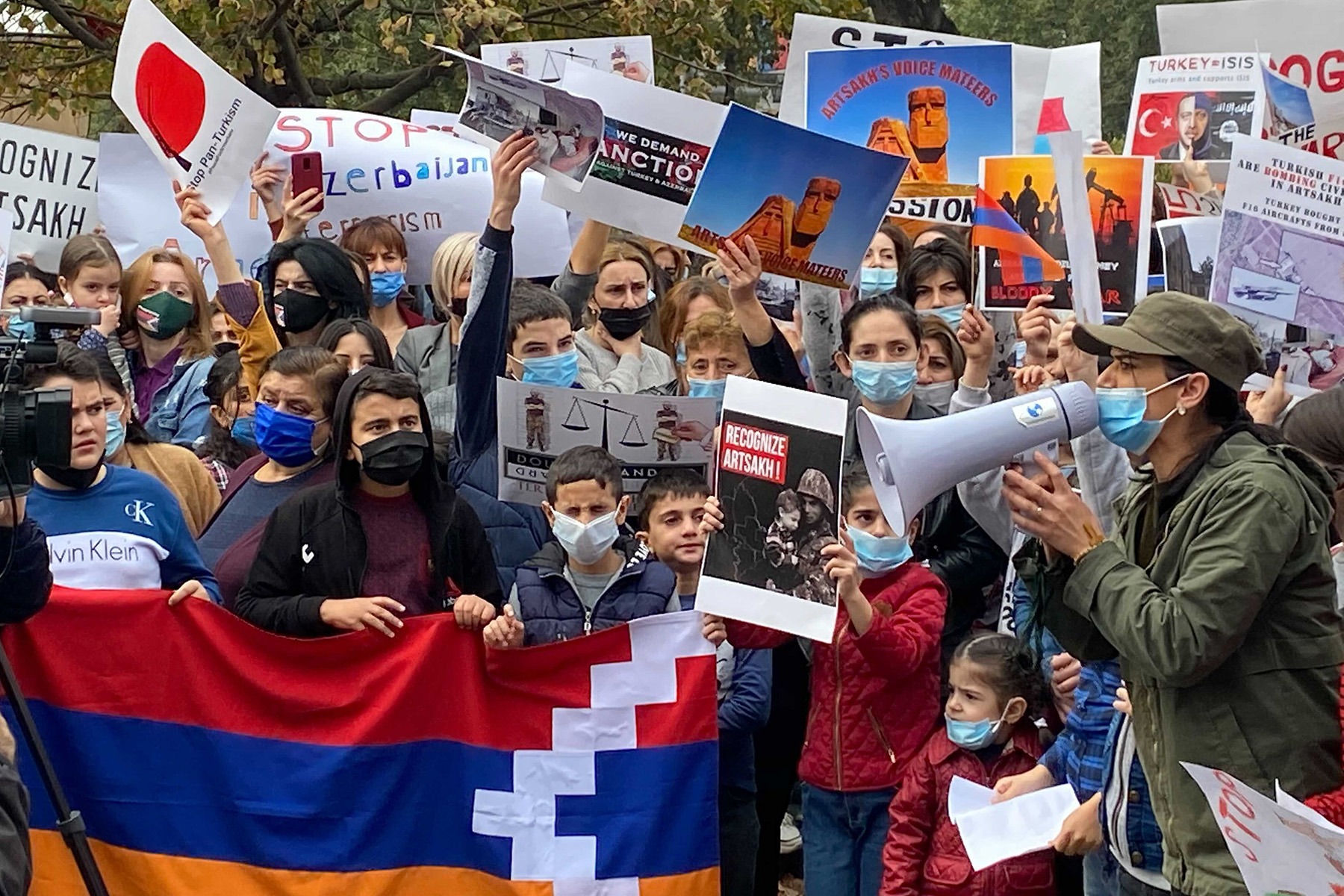
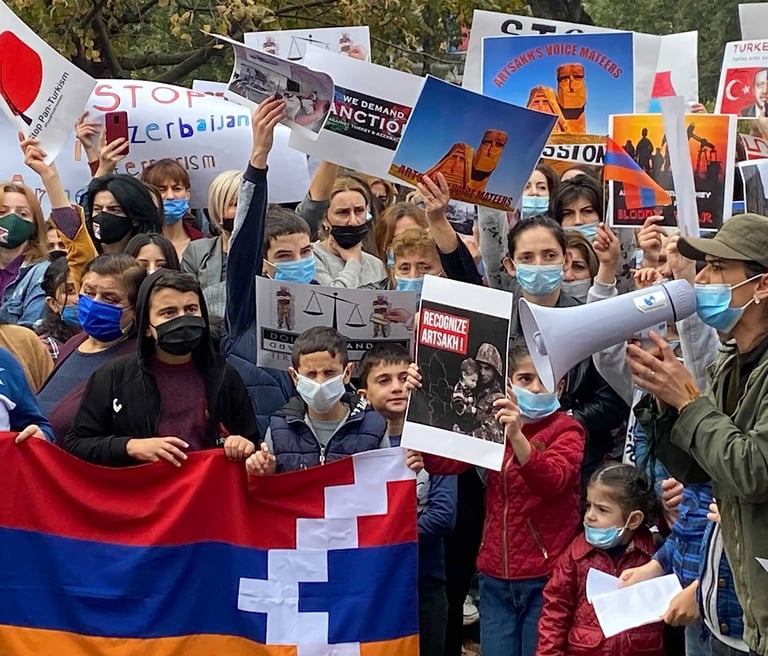
Refugees from Nagorno-Karabakh protest in Yerevan.
Families and relatives of soldiers killed and buried in 2023 in Nagorno-Karabakh have organized a protest in Yerevan, demanding the return of their loved ones’ remains. In the second sentence, the demonstration focused on the urgent need for exhumation process (արտաշիրմում գործընթաց) [artashirmum gortsents] to recover the bodies. The keyword protest action reflects the public expression of grief and demand for justice. The protest took place near the Karen Demirchyan Sports and Concert Complex during the European Political Community summit.
“Our children’s and relatives’ graves remained in Karabakh after the 2023 military actions. We demand exhumation. We demand that their graves be relocated and that they be reburied in Armenia with proper military honors. The locations of the graves are clearly known. We ask for help,” a relative of one of the fallen servicemen said. In the fourth sentence, this appeal emphasizes humanitarian request (հումանիտար պահանջ) [humanitar pahanj] for assistance. The keyword reburial demand highlights the families’ core objective. Their message reflects both emotional loss and a call for dignified treatment of the deceased.
According to relatives, many of the soldiers were killed and buried within a very short period during the conflict. In the second sentence, the graves are described as incomplete, reflecting a lack of proper burial (պատշաճ թաղում) [patshach taghum] under wartime conditions. The keyword burial issue underscores the urgency of the situation. These graves are now located in areas under the control of the opposing side, complicating access.
Protest participants carried placards expressing their demands and concerns. In the second sentence, the slogans highlighted collective memory (հավաքական հիշողություն) [havakakan hishoghutyun] and the need not to forget those who died. The keyword public demand reflects the shared voice of the families. Messages included calls for international intervention and statements that exhumation is a right rather than a concession.
The timing of the protest coincided with the European Political Community summit in Yerevan. In the second sentence, this setting provided visibility to international audience (միջազգային լսարան) [mijazgayin lsaran]. The keyword diplomatic context reflects the strategic choice of location. Families sought to draw attention from foreign leaders and organizations attending the summit.
The background to these events lies in the military escalation of September 2023. In the second sentence, the large-scale offensive resulted in significant civilian impact (քաղաքացիական ազդեցություն) [kaghakatsiakan azdecutyun] alongside military losses. The keyword conflict aftermath highlights the consequences of the fighting. A total of 223 people were killed, including civilians.
Following the offensive, a large number of Armenians were displaced from Nagorno-Karabakh. In the second sentence, more than 100,000 people experienced forced displacement (հարկադիր տեղահանում) [harkadir teghahanum]. The keyword displacement crisis reflects the scale of the humanitarian situation. Many families were separated from their homes and from the graves of their relatives.
The issue of retrieving remains is not only emotional but also legal and humanitarian. In the second sentence, it relates to human rights (մարդու իրավունքներ) [mardu iravunkner] concerning dignity and proper burial. The keyword rights issue highlights the broader implications. International norms often emphasize the importance of returning remains to families after conflicts.
The protest reflects ongoing challenges in addressing the consequences of the 2023 conflict. In the second sentence, the situation demonstrates the need for international cooperation (միջազգային համագործակցություն) [mijazgayin hamagortsaktsutyun] to resolve such issues. The keyword humanitarian solution captures the desired outcome. Families are seeking assistance to ensure respectful reburial.
Overall, the calls for exhumation and reburial highlight a deeply personal and national issue. In the second sentence, they underscore the importance of dignified burial (արժանապատիվ թաղում) [arjanapativ taghum] for those who lost their lives. The keyword moral responsibility reflects the ethical dimension of the request. The families continue to seek recognition, support, and resolution.
Key Armenian Vocabulary
արտաշիրմում գործընթաց [artashirmum gortsents] exhumation process
հումանիտար պահանջ [humanitar pahanj] humanitarian request
պատշաճ թաղում [patshach taghum] proper burial
հավաքական հիշողություն [havakakan hishoghutyun] collective memory
միջազգային լսարան [mijazgayin lsaran] international audience
քաղաքացիական ազդեցություն [kaghakatsiakan azdecutyun] civilian impact
հարկադիր տեղահանում [harkadir teghahanum] forced displacement
մարդու իրավունքներ [mardu iravunkner] human rights
միջազգային համագործակցություն [mijazgayin hamagortsaktsutyun] international cooperation
արժանապատիվ թաղում [arjanapativ taghum] dignified burial
բողոքի ակցիա [boghoqi akcya] protest action
վերաթաղման պահանջ [verataghaman pahanj] reburial demand
թաղման խնդիր [taghman khndir] burial issue
հանրային պահանջ [hanrayin pahanj] public demand
դիվանագիտական համատեքստ [divanagitakan hamatext] diplomatic context
հակամարտության հետևանքներ [hakamartutyan hetevankner] conflict aftermath
տեղահանման ճգնաժամ [teghahanman chgnazham] displacement crisis
իրավունքների խնդիր [iravunkneri khndir] rights issue
հումանիտար լուծում [humanitar lucum] humanitarian solution
բարոյական պատասխանատվություն [baroyakan patasxanatuutyun] moral responsibility
Send us your suggestions to: pr@armenian-institute.com
Learn the official language of Armenia in 30 days thanks to the most complete Grammar, Vocabulary and Culture courses available. Start speaking Armenian today!
© Copyright 2026 Armenian Institute
Come visit Armenia!