Pashinyan’s Personal Announcement Raises Questions Before Elections
Public appearance follows earlier separation statement and draws scrutiny
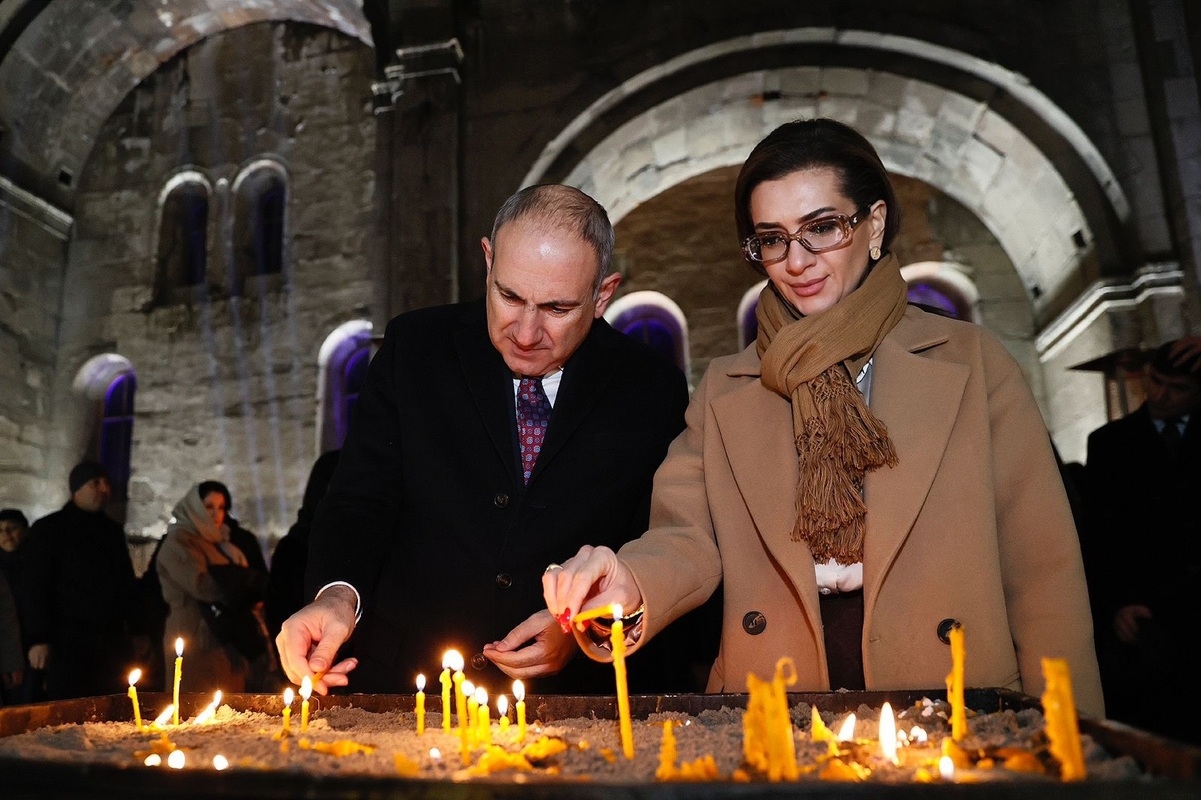
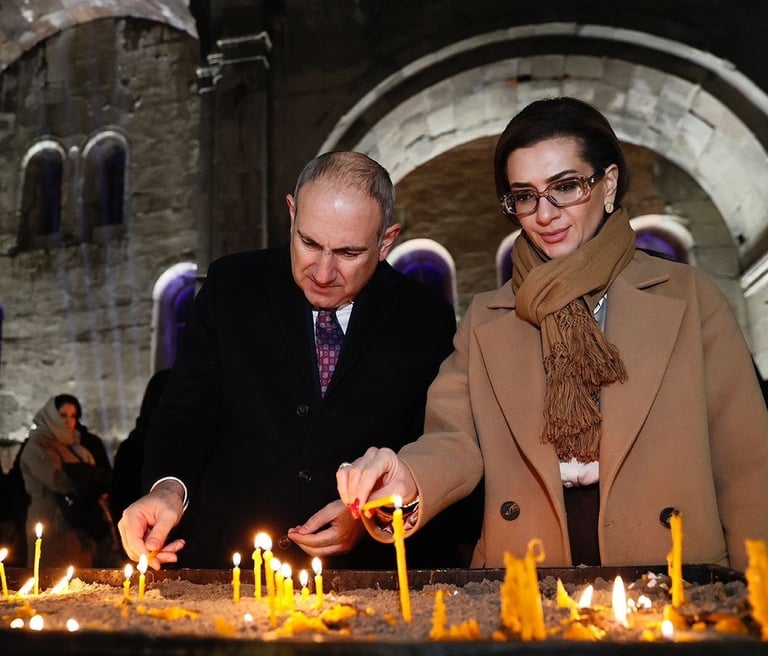
Nikol Pashinyan has confirmed he and his long-time partner Anna Hakobyan have reconciled.
Less than two months after publicly announcing a separation, Armenia’s prime minister reappeared alongside his former partner in a way that renewed attention to public perception (հասարակական ընկալում) [hasarakakan ynkalum] and election strategy (ընտրական ռազմավարություն) [yntrakakan razmavarutyun]. The initial announcement in February described the end of a long-term relationship that had never been officially registered either with state institutions or the national church, and no detailed explanation was provided at the time.
The situation gained renewed visibility after a short video shared on social media showed the former partner present at the prime minister’s official residence. Later the same day, the two were seen together in Gyumri, where they walked publicly and visited a café ahead of a campaign-related event. These developments created message inconsistency (հաղորդագրության անհամապատասխանություն) [haxordagrutyan anhamapatasxanutyun], as the public appearance appeared to contradict the earlier separation narrative without clarification.
The original announcement had already triggered skepticism among critics and political observers. Some interpreted the timing as linked to voter influence (ընտրողների ազդեցություն) [yntrvogheri azdetsutyun], suggesting it could affect public attitudes in the lead-up to the June 7 parliamentary elections. In this context, personal decisions were viewed through a political lens rather than as purely private matters.
Additional criticism focused on legal and ethical questions tied to a charitable organization associated with the former partner. Observers raised legal concerns (իրավական խնդիրներ) [iravakan khndirner], pointing to regulations that limit certain activities by individuals connected to political figures during election periods. Some analysts suggested that distancing from these activities could reduce scrutiny.
Earlier in the year, authorities indicated that these allegations would be reviewed. However, no visible follow-up actions have been reported, prompting discussion about institutional response (ինստիտուցիոնալ արձագանք) [institutsional ardzagank] and the effectiveness of oversight mechanisms.
The former partner has long been perceived as playing an active and influential role during the prime minister’s tenure. This perception reflects informal influence (ոչ պաշտոնական ազդեցություն) [voch pashtonakan azdetsutyun], where individuals outside formal government positions may still shape political communication and decision-making.
Public debate intensified further due to her earlier social media activity, which included direct and sometimes harsh responses to critics. These interactions contributed to a more polarized environment, illustrating how public discourse (հանրային խոսույթ) [hanrayin khosuyt] can become increasingly confrontational during politically sensitive periods.
Her involvement in a nationwide initiative promoting education also increased her visibility. The campaign included visits to towns and villages, often attended by public officials, demonstrating organized public outreach (հանրային հասանելիություն) [hanrayin hasaneliutyun] that blurred the line between civic engagement and political communication.
Taken together, these developments show how personal narratives, public appearances, and institutional factors intersect during an election cycle. The episode highlights ongoing challenges in image management (պատկերի կառավարում) [patkeri karavarum], where political figures must navigate both private life and public expectations under close scrutiny.
Key Armenian Vocabulary
հասարակական ընկալում [hasarakakan ynkalum] public perception
ընտրական ռազմավարություն [yntrakakan razmavarutyun] election strategy
հաղորդագրության անհամապատասխանություն [haxordagrutyan anhamapatasxanutyun] message inconsistency
ընտրողների ազդեցություն [yntrvogheri azdetsutyun] voter influence
իրավական խնդիրներ [iravakan khndirner] legal concerns
ինստիտուցիոնալ արձագանք [institutsional ardzagank] institutional response
ոչ պաշտոնական ազդեցություն [voch pashtonakan azdetsutyun] informal influence
հանրային խոսույթ [hanrayin khosuyt] public discourse
հանրային հասանելիություն [hanrayin hasaneliutyun] public outreach
պատկերի կառավարում [patkeri karavarum] image management
Send us your suggestions to: pr@armenian-institute.com
Learn the official language of Armenia in 30 days thanks to the most complete Grammar, Vocabulary and Culture courses available. Start speaking Armenian today!
© Copyright 2026 Armenian Institute
Come visit Armenia!