Russia Blocks Sale of Over 1 Million Bottles of Armenian Mineral Water
Regulatory inspections trigger expanded restrictions on Jermuk exports amid safety concerns
Russia bans sale of Armenian mineral water batch.
Authorities in Russia have imposed additional restrictions on the sale of Armenian mineral water, blocking more than one million bottles from reaching consumers. The decision was implemented through the labeling system (մակնշման համակարգ) [maknshman hamakarg], which functions as a digital control mechanism for tracking goods across the market. According to official information, the action followed a request from regulatory bodies responsible for consumer safety. The system ensures market control (շուկայի վերահսկում) [shukayi verahskum], allowing rapid intervention when potential risks are identified.
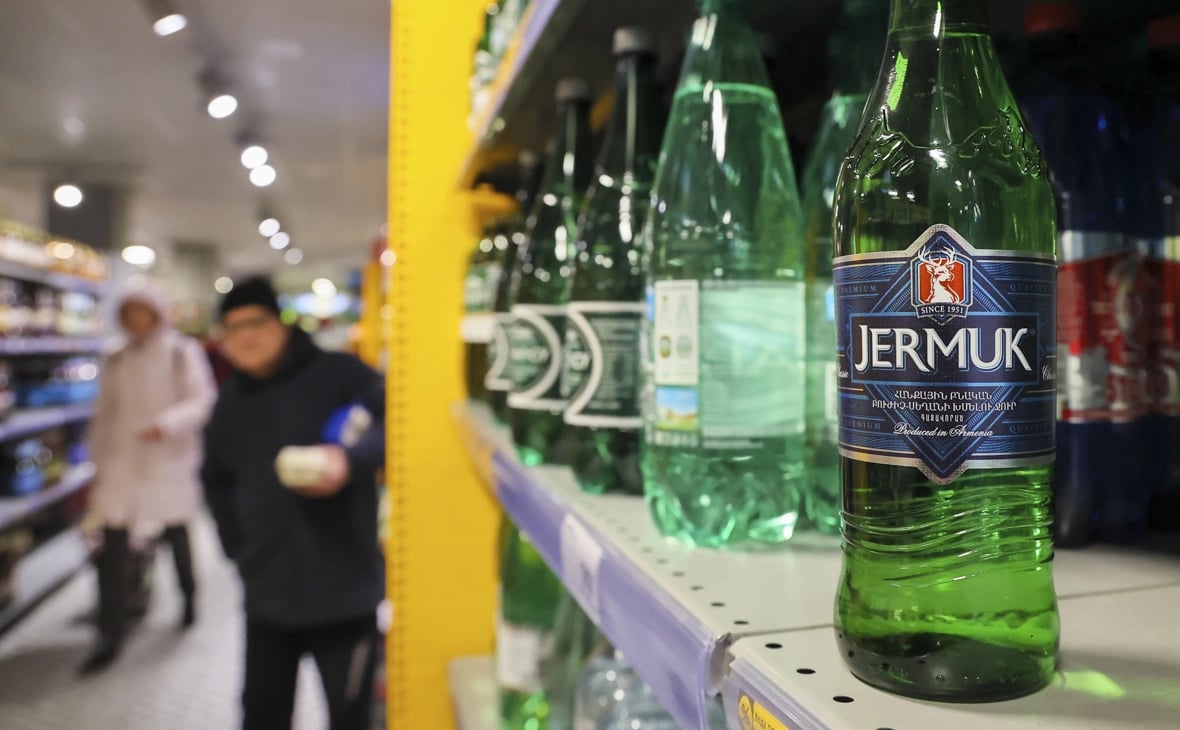
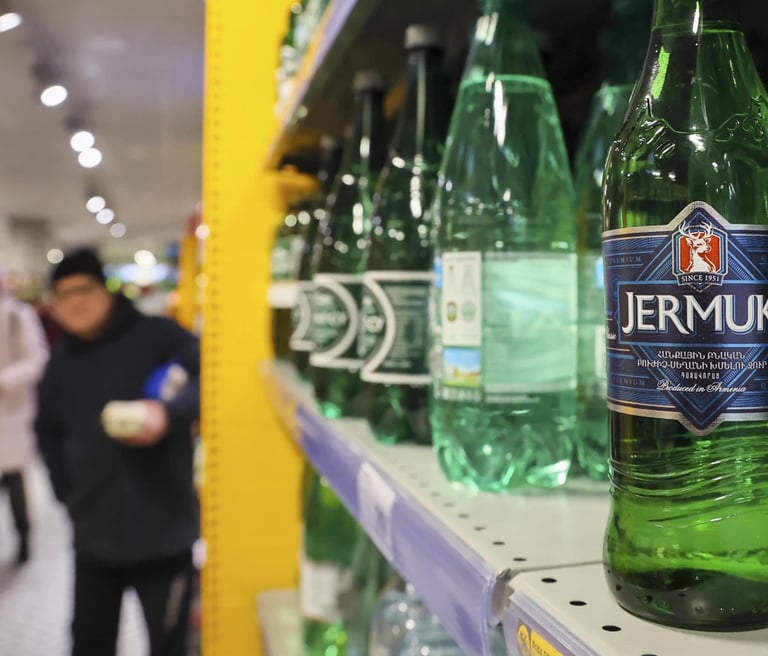
The restrictions specifically target nearly 1.1 million bottles of Jermuk mineral water produced in Armenia, with the measure confirmed by the press service of Russia’s consumer protection authority. The decision highlights the role of consumer safety (սպառողի անվտանգություն) [sparroghi anvtangutyun] as a primary concern in regulatory enforcement, especially when dealing with food and beverage imports. Reports indicate that product inspection (արտադրանքի ստուգում) [ardadranqi stugum] identified issues in certain batches, prompting authorities to act in order to minimize any possible health risks.
The affected products were manufactured between October 23, 2025, and March 27, 2026, during which time several batches were subjected to examination. Authorities reported that violations of mandatory standards were found, although the exact nature of these issues has not been publicly detailed. The restrictions were introduced to prevent potential harm to public health, emphasizing precautionary principles. This reflects the importance of quality standards (որակի չափանիշներ) [voraki chapanshner] and health protection (առողջության պաշտպանություն) [aroghjutyan pashtpanutyun] in international trade regulations.
A total of nine production batches across different packaging formats were blocked from sale. The regulatory response demonstrates how modern monitoring systems can isolate specific products without disrupting entire supply chains. By focusing on traceability, authorities aim to ensure that only compliant goods remain available to consumers. This approach highlights the role of supply tracking (մատակարարման հետևում) [matakararman hetevum] and batch control (խմբաքանակի վերահսկում) [khmbakanaki verahskum] in maintaining market integrity.
"The labeling system serves as a reliable digital mechanism for consumer protection. "After receiving the regulator's request, we promptly suspended sales of every single item across the country—customers simply won't be able to buy potentially unsafe products. The system monitors the entire market structure, from product release to sale, allowing us to immediately isolate products with identified violations and ensure that only safe and verified products reach the shelves," explained Revaz Yusupov, Deputy General Director of the Center for Responsible Marketing (operator of the Chestny Znak system). His statement underscores the role of digital monitoring (թվային վերահսկում) [tvayin verahskum] and risk prevention (ռիսկերի կանխում) [riskeri kankhum] in modern regulatory frameworks.
The current measures follow an earlier action taken on April 28, when approximately 338,000 bottles of the same product were already removed from circulation. This earlier step affected both physical retail locations and online platforms, demonstrating the comprehensive reach of the system. Such actions illustrate how distribution control (բաշխման վերահսկում) [bashkhman verahskum] and retail oversight (մանրածախ վերահսկում) [manratsakh verahskum] can be enforced simultaneously across multiple channels.
In response to these developments, Armenia’s Food Safety Inspectorate has launched an investigation into the reported ban. Authorities are examining whether production processes, labeling practices, or compliance issues contributed to the situation. This step reflects the importance of regulatory response (կարգավորիչ արձագանք) [kargavorich ardzagank] and quality review (որակի վերանայում) [voraki veranayum] in maintaining export credibility and addressing concerns raised by foreign partners.
Jermuk mineral water is one of Armenia’s recognized export products, and restrictions of this scale can have broader implications for trade relations. The situation highlights the interconnected nature of regulatory systems and international commerce, where compliance with foreign standards is essential for market access. It also illustrates how export risk (արտահանման ռիսկ) [artahanman risk] and trade impact (առևտրային ազդեցություն) [arevtrayin azdecutyun] can arise from quality-related concerns, even when they affect only specific product batches.
Key Armenian Vocabulary
մակնշման համակարգ [maknshman hamakarg] labeling system
շուկայի վերահսկում [shukayi verahskum] market control
սպառողի անվտանգություն [sparroghi anvtangutyun] consumer safety
արտադրանքի ստուգում [ardadranqi stugum] product inspection
որակի չափանիշներ [voraki chapanshner] quality standards
առողջության պաշտպանություն [aroghjutyan pashtpanutyun] health protection
մատակարարման հետևում [matakararman hetevum] supply tracking
խմբաքանակի վերահսկում [khmbakanaki verahskum] batch control
թվային վերահսկում [tvayin verahskum] digital monitoring
ռիսկերի կանխում [riskeri kankhum] risk prevention
բաշխման վերահսկում [bashkhman verahskum] distribution control
մանրածախ վերահսկում [manratsakh verahskum] retail oversight
կարգավորիչ արձագանք [kargavorich ardzagank] regulatory response
որակի վերանայում [voraki veranayum] quality review
արտահանման ռիսկ [artahanman risk] export risk
առևտրային ազդեցություն [arevtrayin azdecutyun] trade impact
Send us your suggestions to: pr@armenian-institute.com
Learn the official language of Armenia in 30 days thanks to the most complete Grammar, Vocabulary and Culture courses available. Start speaking Armenian today!
© Copyright 2026 Armenian Institute
Come visit Armenia!