Russia Introduces Entry Application Requirement for Armenian Truck Drivers
New digital procedures and extended stay rules reshape cross-border transport regulations
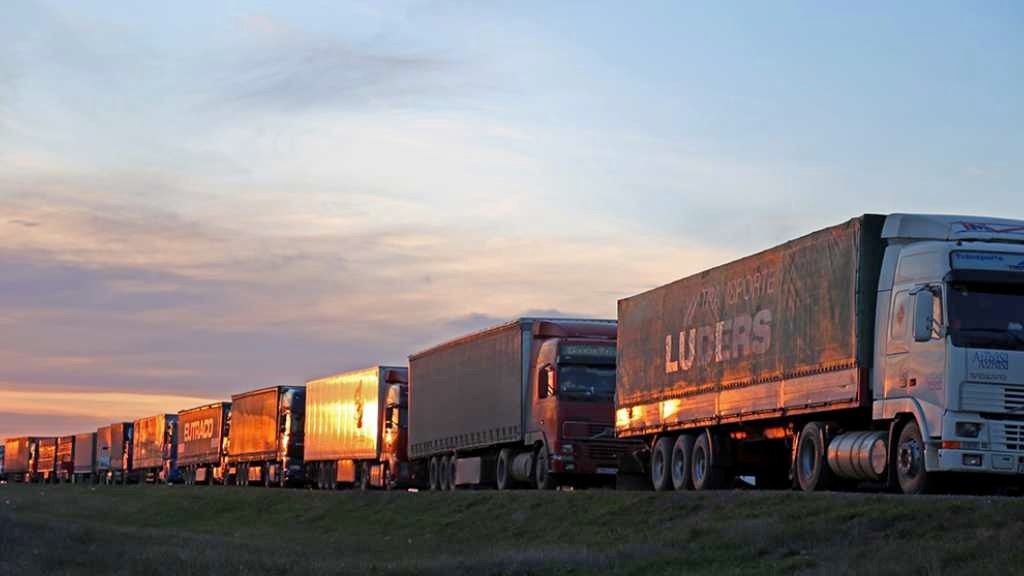
Russia requires entry forms for Armenian truck drivers.
Under newly introduced Russian regulations, truck drivers from Armenia, other CIS countries, and Georgia are now required to submit an electronic application (էլեկտրոնային դիմում) [elektronayin dimum] before entering and staying in Russia. In the second sentence, this requirement reflects a broader shift toward digital systems (թվային համակարգեր) [tvayin hamakarger] in migration and border control. The keyword entry requirement highlights the core change affecting drivers. These measures aim to streamline administrative procedures and enhance oversight.
The announcement was made by Russian Interior Ministry spokesperson Irina Volk, who outlined the new procedures. In the second sentence, drivers are now subject to updated border regulations (սահմանային կանոնակարգեր) [sahmanayin kanonakarger] governing entry into the country. The keyword regulatory change reflects the introduction of new compliance rules. These updates apply to professional drivers engaged in international freight operations.
According to the new system, drivers must submit their applications through the RuID platform and provide supporting documentation. In the second sentence, this includes proof of professional activity (մասնագիտական գործունեություն) [masnagitagakan gorcuneutyun] in international freight transportation. The keyword application system refers to the digital platform used for submission. Required documents include passport copies and verification of employment in the transport sector.
Earlier reports indicated that Russia had already extended the permitted stay duration for truck drivers from CIS countries and Georgia. In the second sentence, the updated policy allows for a temporary stay (ժամանակավոր կացություն) [zhamanakavor kachutyun] of up to 180 days. The keyword stay extension reflects this adjustment in residency rules. This measure provides greater flexibility for drivers operating across borders.
The decision officially came into force on June 30, 2026, marking the implementation of the updated framework. In the second sentence, the regulation aligns with broader migration policy (միգրացիոն քաղաքականություն) [migracion kaghakakanutyun] objectives in Russia. The keyword policy enforcement captures the transition from announcement to active application. Authorities are expected to monitor compliance closely.
Previously, under a decree signed on April 27 by Prime Minister Mikhail Mishustin, the government had already approved the extension of stay limits. In the second sentence, the decree established a maximum duration within a calendar year (օրացուցային տարի) [oracutsayin tari] for eligible drivers. The keyword legal decree reflects the formal basis for these changes. This earlier decision laid the groundwork for the current regulatory framework.
The introduction of electronic applications is part of a wider effort to modernize border management systems. In the second sentence, such reforms are linked to administrative efficiency (վարչական արդյունավետություն) [varchakan ardyunavetutyun] in handling cross-border movement. The keyword system upgrade reflects improvements in processing and data management. Digital tools are increasingly used to manage migration flows and documentation.
For Armenian truck drivers, these changes may require adjustments in operational planning and documentation procedures. In the second sentence, compliance with entry procedures (մուտքի ընթացակարգեր) [mutqi yntacargerer] becomes essential for uninterrupted transport activity. The keyword driver compliance highlights the need for adherence to new rules. Companies may need to provide additional support to ensure all requirements are met.
Overall, the updated regulations introduce a more structured and monitored approach to cross-border transport. In the second sentence, the emphasis on transport regulation (տրանսպորտային կարգավորում) [transportayin kargavorum] reflects the importance of managing international logistics effectively. The keyword border control summarizes the broader objective of these measures. These changes are expected to impact not only drivers but also logistics companies operating in the region.
Key Armenian Vocabulary
էլեկտրոնային դիմում [elektronayin dimum] electronic application
թվային համակարգեր [tvayin hamakarger] digital systems
սահմանային կանոնակարգեր [sahmanayin kanonakarger] border regulations
մասնագիտական գործունեություն [masnagitagakan gorcuneutyun] professional activity
ժամանակավոր կացություն [zhamanakavor kachutyun] temporary stay
միգրացիոն քաղաքականություն [migracion kaghakakanutyun] migration policy
օրացուցային տարի [oracutsayin tari] calendar year
վարչական արդյունավետություն [varchakan ardyunavetutyun] administrative efficiency
մուտքի ընթացակարգեր [mutqi yntacargerer] entry procedures
տրանսպորտային կարգավորում [transportayin kargavorum] transport regulation
մուտքի պահանջ [mutqi pahanj] entry requirement
կարգավորիչ փոփոխություն [kargavorich popokhutyun] regulatory change
դիմումների համակարգ [dimumeri hamakarg] application system
կեցության երկարացում [ketsutyan erkaracum] stay extension
քաղաքականության իրականացում [kaghakakanutyan irakanacum] policy enforcement
իրավական հրամանագիր [iravakan hramanagir] legal decree
համակարգի բարելավում [hamakargi barelavum] system upgrade
վարորդների համապատասխանություն [varordneri hamapatasxanutyun] driver compliance
սահմանային վերահսկողություն [sahmanayin verahskoghutyun] border control
Send us your suggestions to: pr@armenian-institute.com


Learn the official language of Armenia in 30 days thanks to the most complete Grammar, Vocabulary and Culture courses available. Start speaking Armenian today!
© Copyright 2026 Armenian Institute
Come visit Armenia!