Russia Signals Pressure as Armenia Moves Toward EU Alignment
Moscow links energy, trade, and political leverage to Yerevan’s strategic choices
Armenia: Is one of Russia's oldest allies slipping from the Kremlin's orbit?
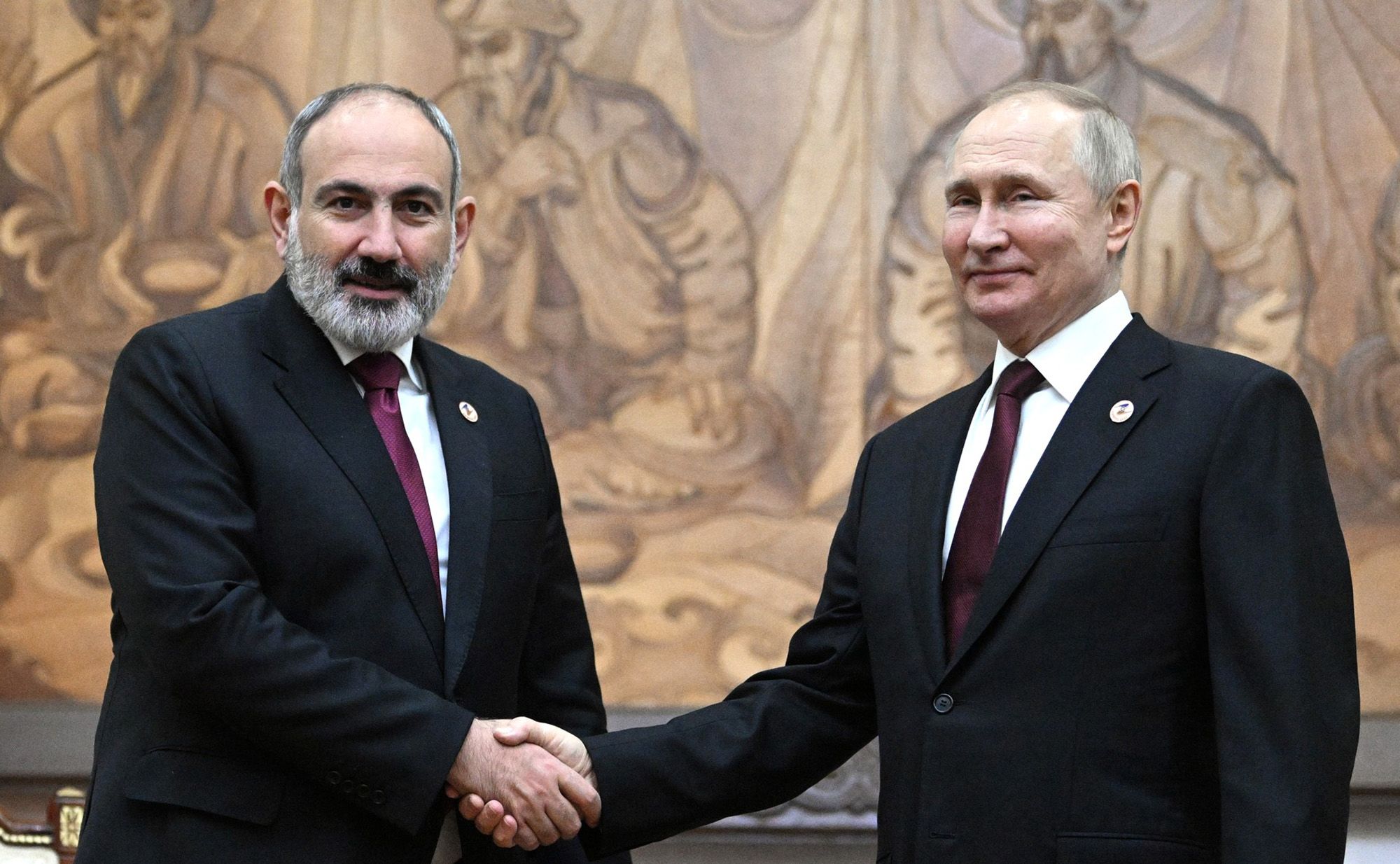
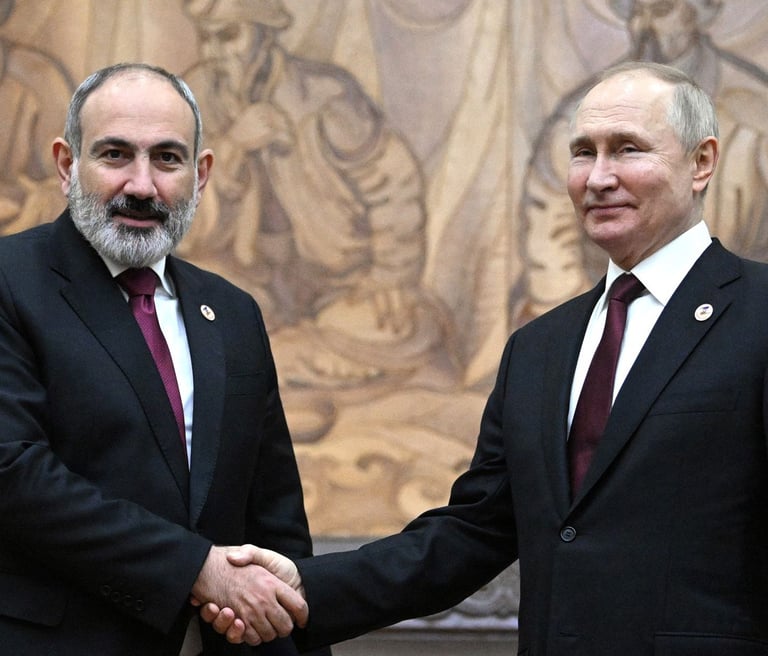
A recent high-level meeting in Moscow highlighted growing tensions over Armenia’s geopolitical direction, emphasizing strategic alignment (ռազմավարական ուղղվածություն) [razmavarakan ughghvatsutyun] and foreign policy shift (արտաքին քաղաքական փոփոխություն) [artaqin kaghakakan popokhutyun]. Discussions between the Russian and Armenian leadership revealed clear disagreements about future integration paths.
During the talks, Russia warned that Armenia cannot simultaneously deepen ties with both the Eurasian Economic Union and the European Union. This position reflects concerns over economic integration (տնտեսական ինտեգրում) [tntesakan integrum] and competing regional frameworks. Moscow signaled that alignment with European structures could have direct economic consequences.
Energy policy emerged as a key pressure point. Russia highlighted the preferential gas pricing Armenia currently receives, raising the possibility of changes if Yerevan shifts its orientation. This introduces energy leverage (էներգետիկ լծակ) [energetik ltsak] as a central tool in bilateral relations.
The broader context includes Armenia’s efforts to reduce dependence on Moscow while strengthening ties with Western institutions. This reflects a gradual move toward policy diversification (քաղաքական դիվերսիֆիկացում) [kaghakakan diversifikatsia], aimed at expanding strategic options.
At the same time, Russia appears to be adopting a measured approach. Rather than immediate escalation, it is likely to apply calibrated pressure to avoid triggering a full geopolitical shift. This suggests a strategy of controlled pressure (կառավարվող ճնշում) [karavarvogh chnshum] designed to maintain influence without causing rupture.
Domestic political developments also play a role. With parliamentary elections approaching, Moscow has expressed expectations regarding the inclusion of pro-Russian political actors. This reflects interest in political influence (քաղաքական ազդեցություն) [kaghakakan azdetsutyun] within Armenia’s internal landscape.
Regional instability further complicates the situation, particularly in relation to trade and infrastructure initiatives. Ongoing tensions in nearby regions limit progress on projects such as transit corridors, highlighting regional instability (տարածաշրջանային անկայունություն) [taratsashrjanayin ankayunutyun] as a constraining factor.
Overall, the interaction demonstrates a shifting balance in Armenia’s foreign policy, where efforts to increase autonomy intersect with external pressure. The situation illustrates how geopolitical balancing (աշխարհաքաղաքական հավասարակշռում) [ashkharhakaghakakan havasarakshrum] shapes decision-making in a complex regional environment.
Key Armenian Vocabulary
ռազմավարական ուղղվածություն [razmavarakan ughghvatsutyun] strategic alignment
արտաքին քաղաքական փոփոխություն [artaqin kaghakakan popokhutyun] foreign policy shift
տնտեսական ինտեգրում [tntesakan integrum] economic integration
էներգետիկ լծակ [energetik ltsak] energy leverage
քաղաքական դիվերսիֆիկացում [kaghakakan diversifikatsia] policy diversification
կառավարվող ճնշում [karavarvogh chnshum] controlled pressure
քաղաքական ազդեցություն [kaghakakan azdetsutyun] political influence
տարածաշրջանային անկայունություն [taratsashrjanayin ankayunutyun] regional instability
աշխարհաքաղաքական հավասարակշռում [ashkharhakaghakakan havasarakshrum] geopolitical balancing
Send us your suggestions to: pr@armenian-institute.com
Learn the official language of Armenia in 30 days thanks to the most complete Grammar, Vocabulary and Culture courses available. Start speaking Armenian today!
© Copyright 2026 Armenian Institute
Come visit Armenia!