Tacori: From Immigrant Workshop to Global Bridal Jewelry Brand
How a family-run Los Angeles company scaled handcrafted design into international recognition
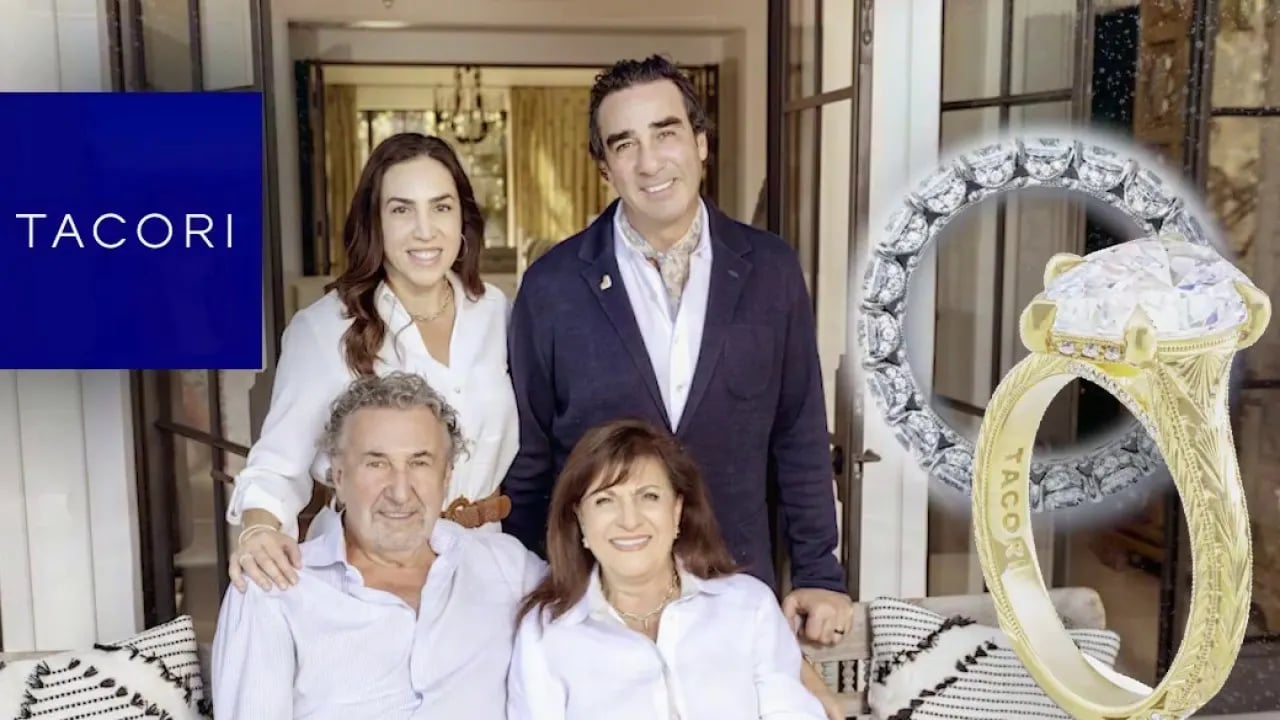
Tacori turns Armenian family legacy into a global jewelry brand.
In Glendale, California, a jewelry company built during the early 1970s has developed into an internationally recognized brand, with continued production rooted in local manufacturing. Tacori, highlighted during Armenian Heritage Month, represents a case of family-run enterprise (ընտանեկան ձեռնարկություն) [yntanekan dzernarkutyun] expanding into global jewelry market (համաշխարհային ոսկերչական շուկա) [hamashkharhayin voskerchakakan shuka] visibility while maintaining in-house craftsmanship.
The company’s products have reached high-profile settings, including red carpet appearances and entertainment industry events. According to the company, its pieces have been worn by figures such as Olivia Rodrigo, Nicole Scherzinger, Stephanie Beatriz, and Lisa Ann Walter. A notable example includes a custom brooch worn at the Oscars, tied to the Dahlia collection (դալիայի հավաքածու) [daliayi havakatsu] and representing custom jewelry design (պատվերով զարդերի ձևավորում) [patverov zarderi dzevavorum]. The piece carried additional meaning due to its cultural association and origin within the company’s specialized design line.
The origins of the business trace back to Haig and Gilda Tacorian, immigrants of Armenian Romanian background who established operations in Los Angeles. Their early setup involved minimal personnel, reflecting a small-scale startup structure (փոքրածավալ մեկնարկային կառուցվածք) [pokradzaval meknarkayin karutsvatsk]. Haig focused on sales activities, while Gilda managed administrative functions. Their partnership included personal dynamics, with Paul Tacorian recalling that his father said he began dating Gilda because "she had a car," while Nadine added another reason: "She spoke English." These remarks highlight practical considerations tied to language adaptation (լեզվական հարմարվողականություն) [lezvakan harmarvoghakanutyun] and mobility during early business formation.
The second generation assumed leadership roles after growing up within the company environment. Nadine Tacorian-Arzerounian now directs design operations, while Paul Tacorian oversees sales and marketing. Their contrasting approaches contribute to operational balance, as reflected in Paul’s statement: "We’re best friends. We grew up together, but we’re opposites," followed by, "She’s the thoughtful, pragmatic one. I’m the crazy, loud, outspoken one. And it fits perfectly." This internal dynamic supports strategic decision-making (ռազմավարական որոշումների կայացում) [razmavarakan voroshumneri kayatsum] and brand positioning (ապրանքանիշի դիրքավորում) [apranqanushi dirkavorum].
A defining feature of the company’s identity is its Crescent design, which functions as a recognizable visual signature. This design contributes to product differentiation (արտադրանքի տարբերակում) [ardadranqi tarberakum] in a competitive sector. The company emphasizes domestic production, with all items handcrafted in Glendale. Paul states: "It’s handcrafted here in America. It’s really key to what we do," and adds, "We have a design element that nobody can duplicate." This reflects a focus on local craftsmanship (տեղական արհեստագործություն) [teghakan arvestagortsutyun] and design exclusivity (դիզայնի բացառիկություն) [dizayni batsarikutyun].
Production processes involve multiple stages, with over 40 individuals contributing to each piece before completion. The company reports annual output exceeding 15,000 items, illustrating multi-stage manufacturing (բազմափուլ արտադրություն) [bazmaphul artadrutyun] and consistent production volume scaling (արտադրության ծավալի աճ) [artadrutyan tsavali ach]. This operational model supports both quality control and brand consistency.
Expansion occurred alongside a shift toward bridal jewelry specialization. Employee numbers increased from 25 to 125, reflecting workforce expansion (աշխատուժի ընդլայնում) [ashkhatuzhi yndlaynum]. Nadine attributes part of this growth to Paul’s development of a structured marketing approach, stating: "Paul came in and put a full marketing plan together and saw a really nice opportunity for a bridal company because there weren’t that many brands back then," followed by, "So, I mean, it took us to the next level." This shift illustrates market gap identification (շուկայի բացի հայտնաբերում) [shukayi batsi haytnaberum] and targeted brand scaling strategy (ապրանքանիշի աճի ռազմավարություն) [apranqanushi achi razmavarutyun].
Media exposure also contributed to increased visibility. The company participated in television productions, including appearances linked to reality television franchise (իրական հեռուստաշոուի ֆրանշիզա) [irakan herustashoui franshiza], such as The Bachelor, and contributed to televised weddings. These placements supported consumer awareness growth (սպառողների իրազեկության աճ) [sparroghneri irazekutyan ach].
Consumer demand has shown responsiveness to cultural trends. Nadine describes a surge in interest following a celebrity engagement, stating: "It was literally overnight," and adding, "The next day we had our stores calling, saying customers are calling in and asking for that ring particularly." This reflects rapid trend-driven demand (տրենդով պայմանավորված պահանջարկ) [trendov paymanavorvats pahanjark]. The shift led to increased interest in vintage styling (վինտաժ ոճավորում) [vintazh vochavorum], antique diamonds, and old mine cut stones, areas where the company maintains expertise. Nadine further explains: "Literally, overnight everyone’s like, I want vintage, I want antique diamonds, I want unique old mine cut diamonds," followed by, "It was so exciting for us because this is really where we can shine."
Beyond commercial growth, the company engages in philanthropic initiatives. It has received recognition from the Children of Armenia Fund for contributions to education programs, highlighting involvement in educational support initiatives (կրթական աջակցության նախաձեռնություններ) [krtakan ajaktsutyan nakhatsarnutyunner]. Paul emphasizes long-term impact, stating: "One of the most important things to me is our future, our children, helping them have a future and opportunities." This aligns with broader community development efforts (համայնքային զարգացման ջանքեր) [hamaynkayin zargatsman janker].
Future continuity appears likely, as the third generation shows early interest in participation. Paul recounts that his son asked about working in the business and whether he could lead it, indicating early exposure to intergenerational business transfer (սերնդեսերունդ բիզնես փոխանցում) [serundeserund biznes poxantsum]. Nadine notes that her daughter has already begun sketching designs, reflecting early engagement in creative design process (ստեղծագործական ձևավորման գործընթաց) [steghtsagortsakan dzevavorman gortsents].
Paul frames the broader context in terms of opportunity, stating: "This country allows everybody the opportunity to come without speaking language, without having any money," followed by, "If they work hard and they’re committed to what their craft is or what their vision is, you have the greatest chance on earth to do it here." This perspective relates to economic opportunity framework (տնտեսական հնարավորությունների համակարգ) [tntesakan hnaravorutyunneri hamakarg] and reflects conditions supporting immigrant entrepreneurship.
Tacori continues to produce luxury jewelry while maintaining its original operational base in Glendale. Its development illustrates a trajectory combining immigrant-founded business growth (ներգաղթյալների կողմից հիմնված բիզնեսի աճ) [nergaghtyanneri koghmits himnvats biznesi ach] with sustained emphasis on handcrafted production and brand identity rooted in cultural origin.
Key Armenian Vocabulary
ընտանեկան ձեռնարկություն [yntanekan dzernarkutyun] family-run enterprise
համաշխարհային ոսկերչական շուկա [hamashkharhayin voskerchakakan shuka] global jewelry market
դալիայի հավաքածու [daliayi havakatsu] Dahlia collection
պատվերով զարդերի ձևավորում [patverov zarderi dzevavorum] custom jewelry design
փոքրածավալ մեկնարկային կառուցվածք [pokradzaval meknarkayin karutsvatsk] small-scale startup structure
լեզվական հարմարվողականություն [lezvakan harmarvoghakanutyun] language adaptation
ռազմավարական որոշումների կայացում [razmavarakan voroshumneri kayatsum] strategic decision-making
ապրանքանիշի դիրքավորում [apranqanushi dirkavorum] brand positioning
արտադրանքի տարբերակում [ardadranqi tarberakum] product differentiation
տեղական արհեստագործություն [teghakan arvestagortsutyun] local craftsmanship
դիզայնի բացառիկություն [dizayni batsarikutyun] design exclusivity
բազմափուլ արտադրություն [bazmaphul artadrutyun] multi-stage manufacturing
արտադրության ծավալի աճ [artadrutyan tsavali ach] production volume scaling
աշխատուժի ընդլայնում [ashkhatuzhi yndlaynum] workforce expansion
շուկայի բացի հայտնաբերում [shukayi batsi haytnaberum] market gap identification
ապրանքանիշի աճի ռազմավարություն [apranqanushi achi razmavarutyun] brand scaling strategy
իրական հեռուստաշոուի ֆրանշիզա [irakan herustashoui franshiza] reality television franchise
սպառողների իրազեկության աճ [sparroghneri irazekutyan ach] consumer awareness growth
տրենդով պայմանավորված պահանջարկ [trendov paymanavorvats pahanjark] trend-driven demand
վինտաժ ոճավորում [vintazh vochavorum] vintage styling
կրթական աջակցության նախաձեռնություններ [krtakan ajaktsutyan nakhatsarnutyunner] educational support initiatives
համայնքային զարգացման ջանքեր [hamaynkayin zargatsman janker] community development efforts
սերնդեսերունդ բիզնես փոխանցում [serundeserund biznes poxantsum] intergenerational business transfer
ստեղծագործական ձևավորման գործընթաց [steghtsagortsakan dzevavorman gortsents] creative design process
տնտեսական հնարավորությունների համակարգ [tntesakan hnaravorutyunneri hamakarg] economic opportunity framework
ներգաղթյալների կողմից հիմնված բիզնեսի աճ [nergaghtyanneri koghmits himnvats biznesi ach] immigrant-founded business growth
Send us your suggestions to: pr@armenian-institute.com
Learn the official language of Armenia in 30 days thanks to the most complete Grammar, Vocabulary and Culture courses available. Start speaking Armenian today!
© Copyright 2026 Armenian Institute
Come visit Armenia!