Türkiye–Armenia Normalization Gains Momentum with High-Level Engagement
Diplomatic visits, infrastructure projects, and growing contact signal a potential breakthrough in bilateral relations
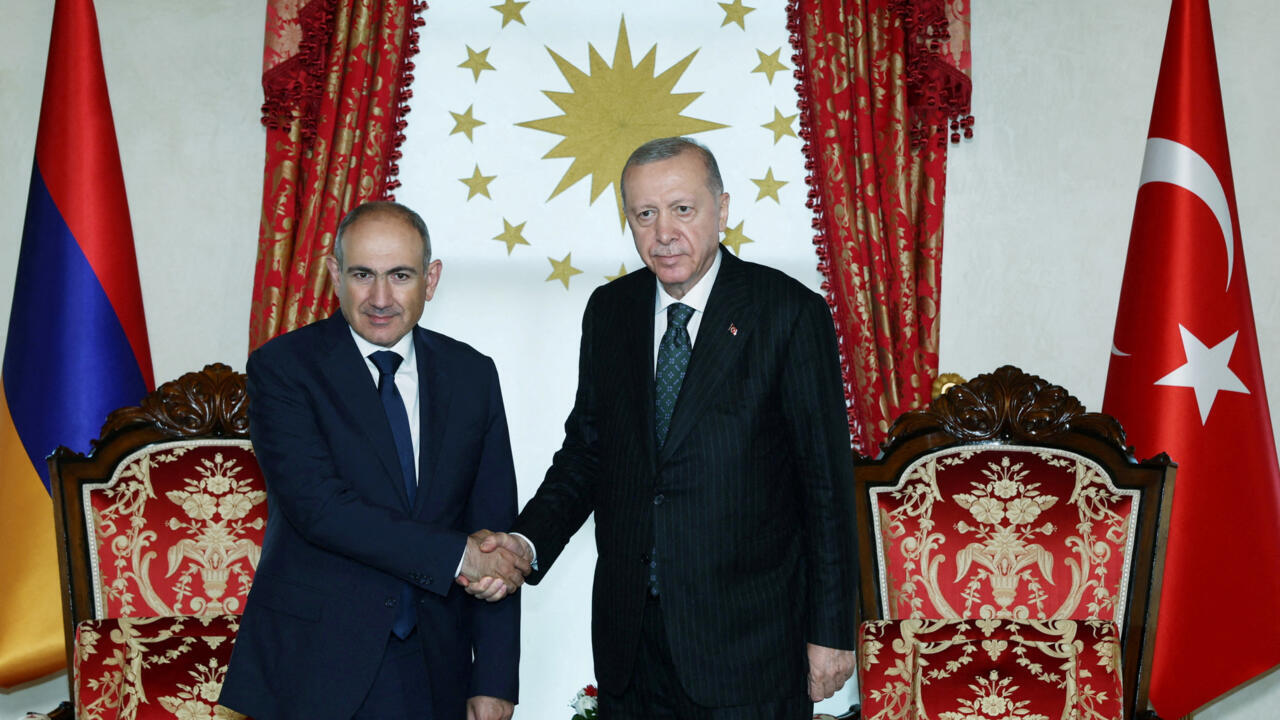
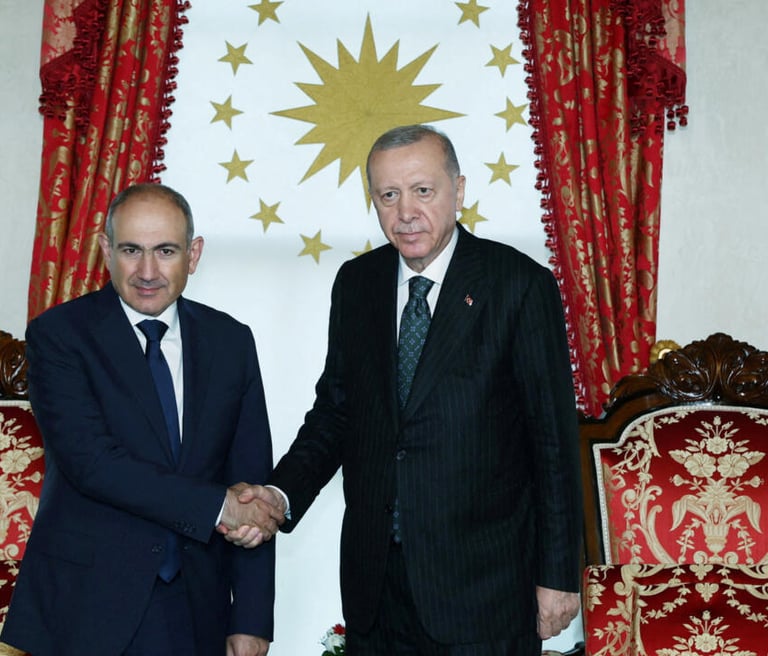
Armenian PM Pashinyan meets Erdogan in Turkey on 'historic' visit.
Türkiye’s special envoy for normalization with Armenia, retired Ambassador Serdar Kilic, stated that the recent visit by Turkish Vice President Cevdet Yilmaz to Yerevan marked a major turning point (շրջադարձային կետ) [shrjadarzayin ket] in relations between the two countries. In the second sentence, he highlighted the importance of renewed diplomatic engagement at the highest levels. The keyword turning point reflects the significance of this visit in reshaping bilateral dynamics. According to Kilic, the visit demonstrated both political will and readiness to move forward.
Speaking to Turkish journalists during the “Yerevan Dialogue 2026” conference, Kilic emphasized the broader context of evolving relations. In the second sentence, he noted that high-level talks (բարձր մակարդակի բանակցություններ) [bardzr makardaki banakcutyunner] are becoming more frequent and productive. The keyword diplomatic talks captures the increasing intensity of communication between the two sides. The conference itself provided a platform for discussing regional challenges and cooperation strategies.
Kilic explained that Vice President Yilmaz held constructive discussions with Armenian Prime Minister Nikol Pashinyan and participated in the signing of a protocol to restore the historic Ani Bridge. In the second sentence, the agreement represents a form of joint restoration (համատեղ վերականգնում) [hamategh verakangnum] between the two nations. “Even that alone shows how far Türkiye-Armenia relations have come,” Kilic said. “A vice president of Türkiye came to Yerevan for a conference, was warmly received, and held important meetings. It was a significant visit and a turning point.” The keyword restoration project highlights the symbolic and practical importance of this initiative.
He further noted that contacts between the two countries have increased significantly in recent years. In the second sentence, the concept of political dialogue (քաղաքական երկխոսություն) [kaghakakan erkhossutyun] was emphasized as a key driver of normalization. The keyword bilateral contact reflects the growing frequency of official visits and meetings. Kilic also recalled that Armenian Prime Minister Nikol Pashinyan has visited Türkiye multiple times, while parliamentary exchanges have also taken place.
Kilic stressed that ongoing efforts based on mutual understanding are expected to accelerate progress toward full normalization. In the second sentence, he referred to mutual trust (փոխադարձ վստահություն) [pokhadrats vstatutyun] as a critical element in sustaining this process. The keyword normalization path captures the gradual and structured nature of these developments. He added that he is working closely with his Armenian counterpart Ruben Rubinyan to advance negotiations.
Highlighting the Ani Bridge, Kilic described its historical and symbolic importance, noting that it dates back to the 11th and 12th centuries and spans both countries. In the second sentence, the bridge represents shared heritage (ընդհանուր ժառանգություն) [yndhanur zharangutyun] linking the two nations. The keyword historic bridge underscores its role as both a cultural landmark and a diplomatic symbol. The restoration project is expected to bring together experts from both sides and promote cooperation.
Kilic also pointed out that the normalization process formally began in January 2022 and has progressed rapidly since then. In the second sentence, he described the pace of diplomatic progress (դիվանագիտական առաջընթաց) [divanagitakan arajyntats] as unexpectedly fast. “If someone had told us in January 2022 that we would reach this point today, no one would have believed it,” he said. “Frankly, we might not have believed it ourselves. In a very short time, we have taken significant steps.” The keyword rapid progress reflects the speed of recent developments.
He emphasized that increasing people-to-people contact (մարդկանց միջև կապ) [mardkants mijew kap] is essential for long-term normalization. In the second sentence, he highlighted the role of direct interaction in building understanding between societies. The keyword social contact reflects efforts to strengthen ties beyond official diplomacy. Initiatives such as travel, education, and cultural exchange are seen as key components of this strategy.
Kilic noted that Turkish Airlines began flights to Yerevan on March 11 and currently operates daily services, with plans to expand. In the second sentence, this development supports transport connectivity (տրանսպորտային կապ) [transportayin kap] between the two countries. The keyword flight routes reflects the practical steps being taken to improve accessibility. Pegasus Airlines has also launched services, further enhancing mobility.
In addition, he mentioned scholarship programs and visa facilitation measures aimed at encouraging exchange. In the second sentence, these initiatives contribute to educational exchange (կրթական փոխանակում) [krtakan poxanakum] between young people. The keyword student exchange reflects the focus on long-term relationship building. Kilic also stated that efforts are underway to open the border, although technical preparations are still ongoing.
He explained that infrastructure and administrative requirements must be completed before reopening the border. In the second sentence, this includes border readiness (սահմանային պատրաստվածություն) [sahmanayin patrastvatsutyun] such as installing fiber optic systems and deploying personnel. “The border can be considered ready to open, but there are still some bureaucratic and technical steps that need to be finalized,” he said. “You cannot simply say ‘we opened the border tomorrow’ and allow people to cross immediately. Fiber optic cables need to be laid. Security personnel and customs officers must be in place. Without completing all of this, opening the border just for the sake of saying it’s open would be meaningless.” The keyword border opening reflects the final stage of normalization efforts.
Reflecting on his previous visit to Yerevan in September 2025, Kilic observed a noticeable shift in attitudes. In the second sentence, he described growing public acceptance (հանրային ընդունում) [hanrayin yndunum] of the normalization process. “People have started to embrace this process much more,” he said. The keyword attitude shift captures the change in perception among both officials and citizens. This evolving mindset is seen as essential for sustaining long-term cooperation.
Key Armenian Vocabulary
շրջադարձային կետ [shrjadarzayin ket] turning point
բարձր մակարդակի բանակցություններ [bardzr makardaki banakcutyunner] high-level talks
համատեղ վերականգնում [hamategh verakangnum] joint restoration
քաղաքական երկխոսություն [kaghakakan erkhossutyun] political dialogue
փոխադարձ վստահություն [pokhadrats vstatutyun] mutual trust
ընդհանուր ժառանգություն [yndhanur zharangutyun] shared heritage
դիվանագիտական առաջընթաց [divanagitakan arajyntats] diplomatic progress
մարդկանց միջև կապ [mardkants mijew kap] people-to-people contact
տրանսպորտային կապ [transportayin kap] transport connectivity
կրթական փոխանակում [krtakan poxanakum] educational exchange
սահմանային պատրաստվածություն [sahmanayin patrastvatsutyun] border readiness
հանրային ընդունում [hanrayin yndunum] public acceptance
դիվանագիտական բանակցություններ [divanagitakan banakcutyunner] diplomatic talks
վերականգնման նախագիծ [verakangnman nakhagits] restoration project
երկկողմ կապեր [erkkoghm kaper] bilateral contact
կարգավորման ուղի [kargavorman ughi] normalization path
պատմական կամուրջ [patmakan kamurj] historic bridge
արագ առաջընթաց [arag arajyntats] rapid progress
սոցիալական կապ [sotsialakan kap] social contact
թռիչքների ուղիներ [trchikneri ughiner] flight routes
ուսանողական փոխանակում [usanoghakan poxanakum] student exchange
սահմանների բացում [sahmanneri bacum] border opening
վերաբերմունքի փոփոխություն [verabermunki popokhutyun] attitude shift
Send us your suggestions to: pr@armenian-institute.com
Learn the official language of Armenia in 30 days thanks to the most complete Grammar, Vocabulary and Culture courses available. Start speaking Armenian today!
© Copyright 2026 Armenian Institute
Come visit Armenia!