Why Journalists in Armenia Are Leaving the Profession
Personal accounts reveal professional burnout, changing media dynamics, and shifting career paths
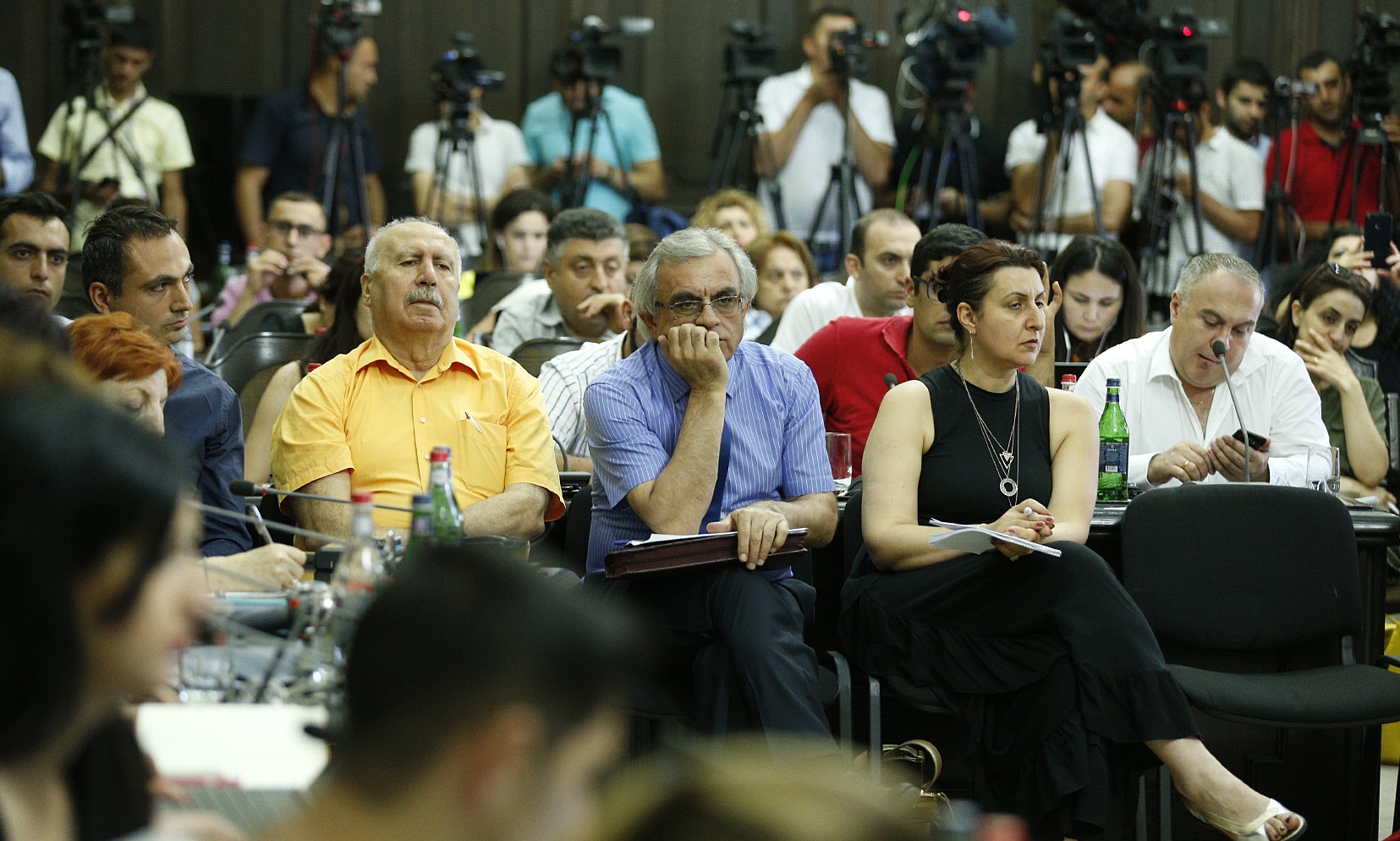
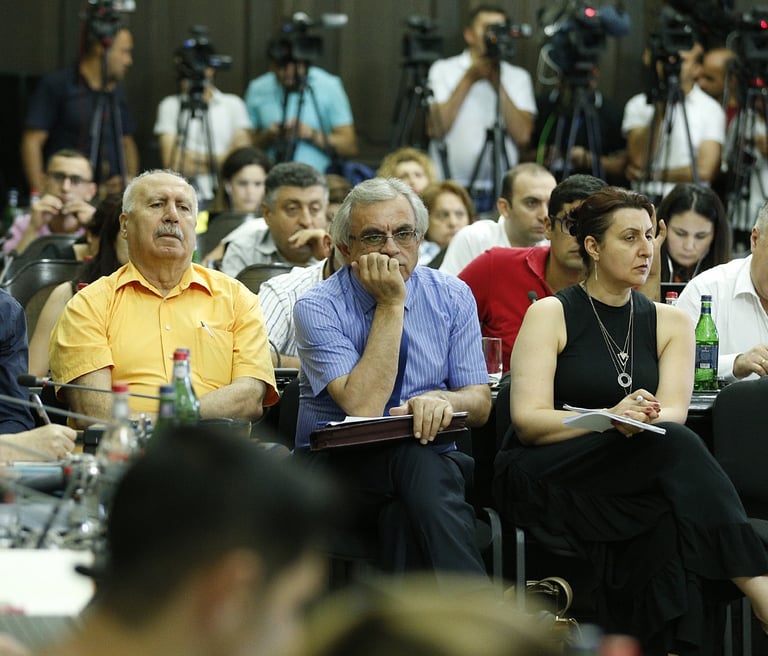
A press conference given by Armenian Prime Minister Nikol Pashinyan.
In Armenia, a noticeable career transition trend (կարիերայի փոփոխության միտում) [kariyerayi poxvoghutyan mitum] has emerged, with experienced journalists choosing to leave the field after many years of work. This shift reflects deeper structural changes in the media environment and evolving perceptions of professional sustainability (մասնագիտական կայունություն) [masnagitakan kayunutyun] within journalism.
One former journalist described journalism as an immersive environment shaped by constant pressure and work intensity (աշխատանքային ծանրաբեռնվածություն) [ashkhatanqayin tsanrabernvatsutyun]. Over time, the demands of continuous availability and rapid output led to a reassessment of priorities and a desire for a different pace of life. The decision to leave was influenced by accumulated fatigue and a loss of connection to the purpose of the work.
“Journalism is not just a job, it is a way of life. You live in a reality where your life and work merge into one. The profession has a rhythm that becomes addictive. It has a dynamic that makes you feel useless without it. But after years, you suddenly realise you no longer want to write and start dreaming about something else,” she says.
The departure from journalism was also linked to broader personal and social experiences, including the psychological impact of national events and health challenges. These factors contributed to a sense of emotional exhaustion (հոգեբանական սպառում) [hogebanakakan sparum] and a perceived decline in intellectual environment (մտավոր միջավայր) [mtavor mijavayr], which further distanced professionals from their work.
“After the 2020 war, something broke inside me. Then I had a severe case of коронавирус. It was a difficult, depressive period. To be honest, I felt uneasy in that reality. I lost the sense of comfort and harmony. I also no longer had people I wanted to work with. I began to see my work as meaningless.
I still don’t see myself in that reality. It’s sad, but true. I see a decline in intellectual standards around me. I don’t want to sound like a snob, but I went to press conferences and felt struck by the lack of clear thinking. And finally, I simply did not want to write anymore. I didn’t even want to turn on my computer.”
Another perspective highlights how specialised reporting fields (մասնագիտացված լուսաբանում) [masnagitacvats lusabanum] can disappear due to political developments. When long-standing topics become irrelevant or inaccessible, journalists may find their expertise no longer applicable, prompting a shift toward alternative forms of creative expression (ստեղծագործական արտահայտում) [steghtsagortsakan artahaytum].
“In 2023, my narrow specialisation effectively disappeared. [In September 2023, a decree ended the existence of the NKR.] I could only explain why things had turned out this way. The second reason is that the media landscape changed. Media outlets turned into defenders either of the current government or of the former authorities. I no longer see neutral journalism. For me, journalism cannot be propaganda. That is why I decided to leave.”
Changes in the media landscape (մեդիա դաշտ) [media dasht] have also played a significant role. The increasing influence of political alignment and the reduction of independent reporting have led some professionals to question the role of journalism as a neutral platform. This perception is reinforced by the growing importance of advertising and financial considerations within news organisations, affecting editorial independence (խմբագրական անկախություն) [khmbagrakan ankhakhtutyun].
A third account focuses on the transformation of the profession in the digital age, where social media influence (սոցիալական մեդիայի ազդեցություն) [soc'ialakan mediayi azdecutyun] has expanded significantly. The accessibility of online platforms has blurred the distinction between professional journalism and personal commentary, contributing to a perceived decline in standards and the value of traditional media roles.
“Social media turned into a platform where anyone can speak out. Everyone started to see themselves as specialists or experts, and to treat their opinions as valid and important. I realised that both of my professions were losing value, and I could lose my job at any moment. I think you always need a plan B and additional skills. In this world, at this stage of life, when you are no longer young, you have to think about the future,” says the 42-year-old former journalist.
For many, leaving journalism does not mean abandoning self-expression (ինքնարտահայտում) [inknartahaytum], but rather finding new channels for it. Some have turned to entrepreneurship, creative industries, or service-based professions, seeking tangible results and greater control over their work. These transitions reflect an effort to redefine identity beyond traditional career paths.
“I now prefer physical work and like to see tangible results. Once someone told me: ‘You have two higher education degrees, and now you cut dogs’ hair?’ It upset me. I respect any kind of work, but those words still hurt. I wondered if I had made a mistake by leaving a profession I had worked in for so many years. But my friends told me I am simply versatile and capable of achieving anything. That comforted me. Journalism, PR and marketing now help me both in tourism and in working with dogs. I combine all of it.”
Overall, the accounts illustrate how a combination of personal experiences, structural changes, and evolving professional expectations is driving a broader occupational shift (մասնագիտական տեղաշարժ) [masnagitakan teghasharzh] among journalists in Armenia.
Key Armenian Vocabulary
կարիերայի փոփոխության միտում [kariyerayi poxvoghutyan mitum] career transition trend
մասնագիտական կայունություն [masnagitakan kayunutyun] professional sustainability
աշխատանքային ծանրաբեռնվածություն [ashkhatanqayin tsanrabernvatsutyun] work intensity
հոգեբանական սպառում [hogebanakakan sparum] emotional exhaustion
մտավոր միջավայր [mtavor mijavayr] intellectual environment
մասնագիտացված լուսաբանում [masnagitacvats lusabanum] specialised reporting fields
ստեղծագործական արտահայտում [steghtsagortsakan artahaytum] creative expression
մեդիա դաշտ [media dasht] media landscape
խմբագրական անկախություն [khmbagrakan ankhakhtutyun] editorial independence
սոցիալական մեդիայի ազդեցություն [soc'ialakan mediayi azdecutyun] social media influence
ինքնարտահայտում [inknartahaytum] self-expression
մասնագիտական տեղաշարժ [masnagitakan teghasharzh] occupational shift
Send us your suggestions to: pr@armenian-institute.com
Learn the official language of Armenia in 30 days thanks to the most complete Grammar, Vocabulary and Culture courses available. Start speaking Armenian today!
© Copyright 2026 Armenian Institute
Come visit Armenia!